
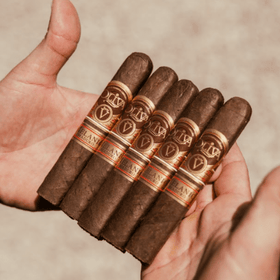

If you’ve smoked a variety of different cigars, you’ve probably noticed that not all cigars deliver the same experience, and a big part of that comes down to where the tobacco is grown. When comparing Dominican vs Honduran cigars, you’re really...

If you’ve smoked a variety of different cigars, you’ve probably noticed that not all cigars deliver the same experience, and a big part of that comes down to where the tobacco is grown.
When comparing Dominican vs Honduran cigars, you’re really comparing two very different approaches to flavor, strength, and overall character. While both regions share roots tied to Cuban cigars and the broader history of Cuban tobacco, the cigars they produce today couldn’t feel more different in the hand or on the palate.
While Cuban cigars are often considered the benchmark in the cigar world, many smokers today turn to Dominican cigars and Honduran cigars for their consistency, availability, and variety. Due in part to the Cuban embargo, these regions have become leaders in premium tobacco production, with many blends inspired by traditional Cuban tobacco and Habanos-style craftsmanship.
Today, countries like Honduras, the Dominican Republic, and Nicaragua continue to define the modern cigar world, each producing distinctive styles shaped by their environment and tradition.
But once you’ve actually spent time smoking both, the differences become obvious. Cigars produced in Honduras tend to be bolder and more rugged, while Dominican cigars lean smoother and more refined. That contrast shows up in everything from the first draw to the final third.
So what actually separates them, and which should you choose?
The differences between these cigars start long before they’re rolled; they begin in the soil, climate, and the type of tobacco leaf each country produces.
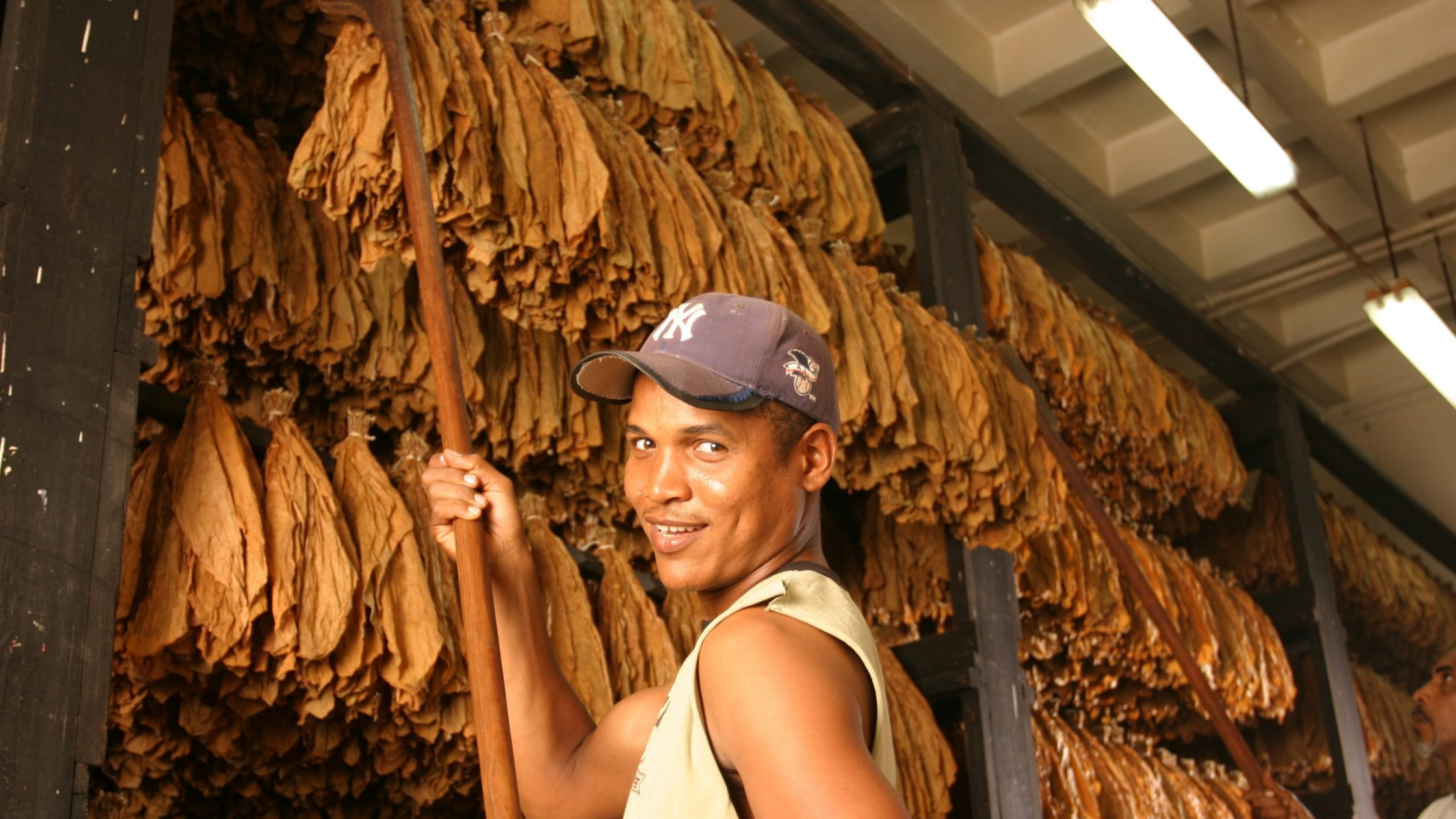
In Honduras, tobacco is grown in regions like the Jamastran Valley and Copán, where the soil and climate produce thicker, oilier leaves. Much of this tobacco is made up of sun grown leaves, which tend to develop a heavier structure and deeper flavor. Honduran tobacco is often used in blends that aim for boldness and intensity, with wrapper and filler leaves that bring more weight to the overall cigar.
In the Dominican Republic, tobacco is typically grown in the Cibao Valley, where fertile soil and consistent weather allow for a more controlled growing process. Dominican tobacco is known for producing smoother, more refined leaves, including varieties like Connecticut Shade, which are often used as wrapper leaves in many handmade cigars.
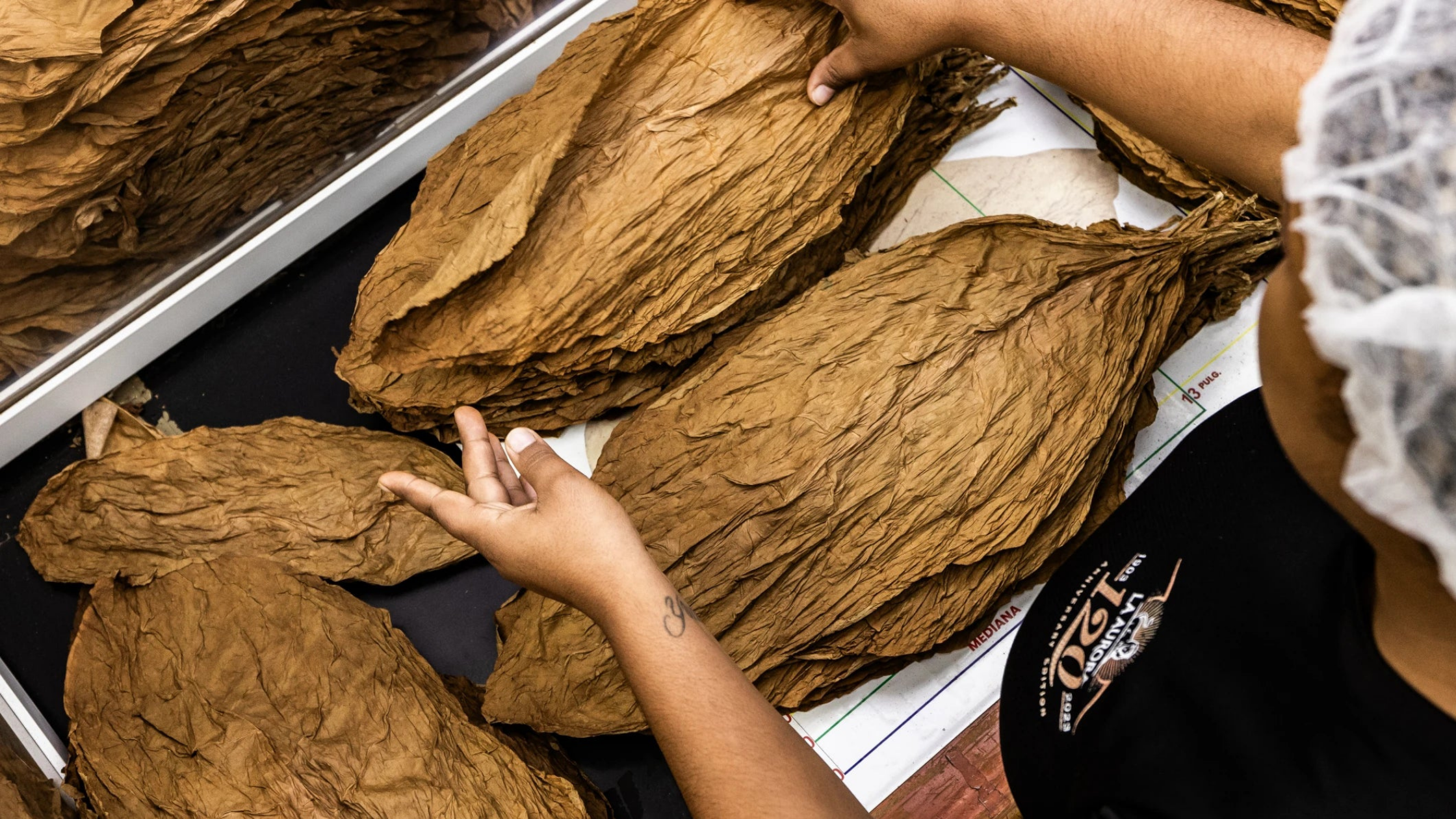
In addition to traditional filler and binder leaves, both regions also use a variety of wrapper types, including Ecuador-grown wrapper leaves that help control consistency and appearance. The wrapper plays a major role in how the cigar burns and how flavors are delivered across the palate.
Honduras has developed a reputation for producing bold tobacco that sits between the refined nature of Dominican tobacco and the intensity of Nicaraguan tobacco, giving it a unique place in the cigar world.
You’ll notice this difference immediately in how the cigar feels in hand and how it burns. Honduran tobacco tends to feel denser and more oil-rich, while Dominican tobacco is often lighter and more uniform, which contributes to its reputation for consistency.
These differences in soil and growing conditions directly shape how each cigar tastes, burns, and performs.
This is where most smokers immediately notice the difference.
Honduran cigars are known for their earthy, rich, and slightly rugged profile. You’ll often pick up notes of leather, spice, and black pepper depending on the composition. The taste feels deeper and more grounded, with a heavier presence on the palate.
There’s a raw, honest quality that makes them stand out. The profile leans bold and direct, with a deeper, more rustic character. Many are also produced as puros, meaning all the tobacco comes from Honduras, which highlights the region’s distinctive identity.
On the retrohale, that spice and pepper come through more noticeably, especially in fuller blends, giving it a sharper edge compared to other regions.
Dominican cigars lean in the opposite direction. These are typically balanced and refined, offering a more approachable profile.
Common notes include cedar, light sweetness, cream, and subtle nuttiness. The profile feels controlled and layered rather than aggressive, making them a go-to for those who prefer a milder experience. This refined character often includes a natural sweetness that develops as it burns.
These are often described as having complex flavors that evolve gradually rather than hitting the palate all at once. Instead of coming on strong, they tend to open up slowly, making them easier to enjoy from start to finish without becoming overwhelming. Some blends may also carry a slightly sweet finish depending on the wrapper and fermentation process.
If you’re wondering which hits harder, the answer is usually Honduran. Many top Honduran cigars tend to fall in the medium to full-bodied range, delivering more strength and a heavier smoke output. Thicker tobacco leaves and sun-grown tobacco contribute to that stronger overall experience.
Many of the best Dominican cigars, on the other hand, are more commonly mild to medium-bodied, making them easier to enjoy for longer sessions or for those newer to smoking. The smoother tobacco and more refined construction create a lighter experience that doesn’t overwhelm the palate.
The way the tobacco is grown and fermented plays a major role in how strong the final result feels. This is why many smokers reach for Honduran cigars later in the day, while Dominican cigars tend to fit better earlier or during a more relaxed setting.
One of the biggest advantages Dominican cigars have is consistency.
Many of the most well-known cigar makers operate in the Dominican Republic, producing high-quality handrolled cigars with excellent construction. These are known for an even burn, reliable draw, and consistent performance from start to finish. This is one of the reasons Dominican cigars are such great cigars for beginners, they’re more forgiving and predictable.
Honduran cigars have come a long way and now offer strong quality across many brands, but they can still feel slightly more variable depending on the composition and production style. Thicker wrapper and filler leaves can affect burn at times, though modern Honduran brands have improved significantly.
The cigar wrapper, binder, and filler tobacco must be carefully balanced by the cigar maker to achieve the desired burn and draw. In both cases, craftsmanship matters, but Dominican cigars are still seen as the benchmark for consistency.
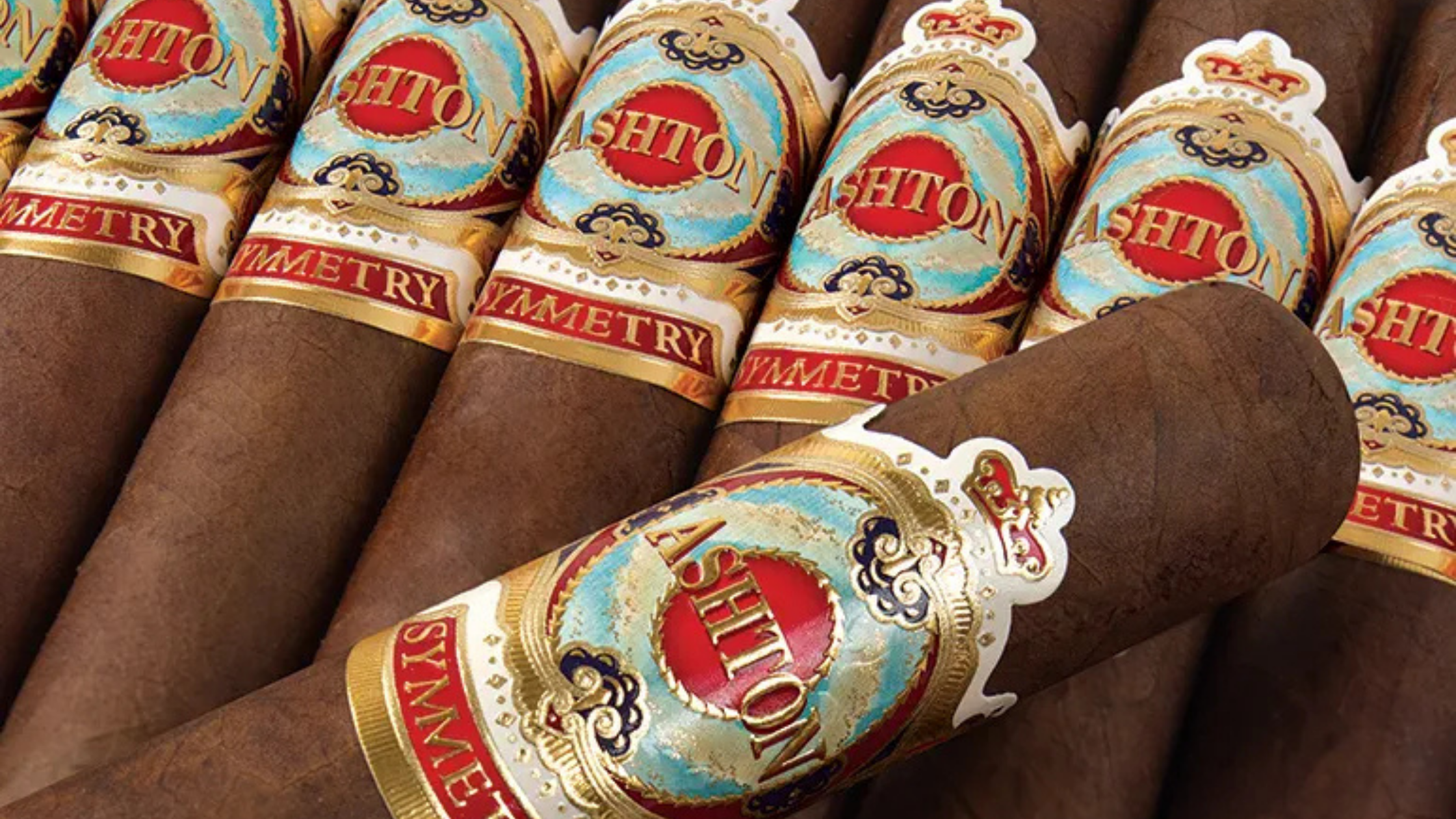
Dominican cigars are home to some of the most recognizable names in the cigar world. Brands like Arturo Fuente, Montecristo, Ashton, and Davidoff have built their reputations on quality and consistency.
Arturo Fuente cigars, in particular, are known for their wide range of premium cigars that showcase the refined nature of Dominican tobacco. Many of these brands built their reputation as Cuban cigar makers relocated to new countries, bringing their knowledge with them.
The difference shows even at the brand level. Dominican brands tend to focus on balance and consistency across their lineup, while Honduran brands are often built around strength, character, and a more aggressive profile.
Honduran brands offer a different kind of experience, with brands like Camacho, Rocky Patel, Alec Bradley, and Punch leading the way.
Camacho Cigars are especially known for producing bold cigars, including full Honduran puros that highlight the strength and character of the region. Rocky Patel and Alec Bradley also produce a number of cigars in Honduras that balance strength with flavor, making them a great entry point into Honduran cigars.
Some Honduran brands also produce puros, giving smokers a more direct expression of what Honduran tobacco has to offer.
If you had to break it down simply, here’s how these two regions stack up, side by side:
|
Feature |
Honduran Cigars |
Dominican Cigars |
|---|---|---|
|
Flavor |
Earthy, rich, spicy |
Smooth, creamy, balanced |
|
Strength |
Medium to full |
Mild to medium |
|
Body |
Heavier smoke |
Lighter, refined |
|
Tobacco |
Thick, sun-grown leaves |
Smooth, controlled leaves |
|
Style |
Bold and rustic |
Polished and consistent |
Choosing between Honduran and Dominican cigars really comes down to what kind of experience you want in that moment. This isn’t about which is better; it’s about what fits your taste, your schedule, and how you like to smoke.
If you enjoy a stronger cigar with deeper flavor, Honduran cigars are a great choice, especially after a meal or in the evening when you want something more full-bodied.
If you prefer something smoother and easier to enjoy, Dominican cigars pair well with a morning coffee or a relaxed afternoon smoke. Their mild to medium strength makes them more approachable and consistent.
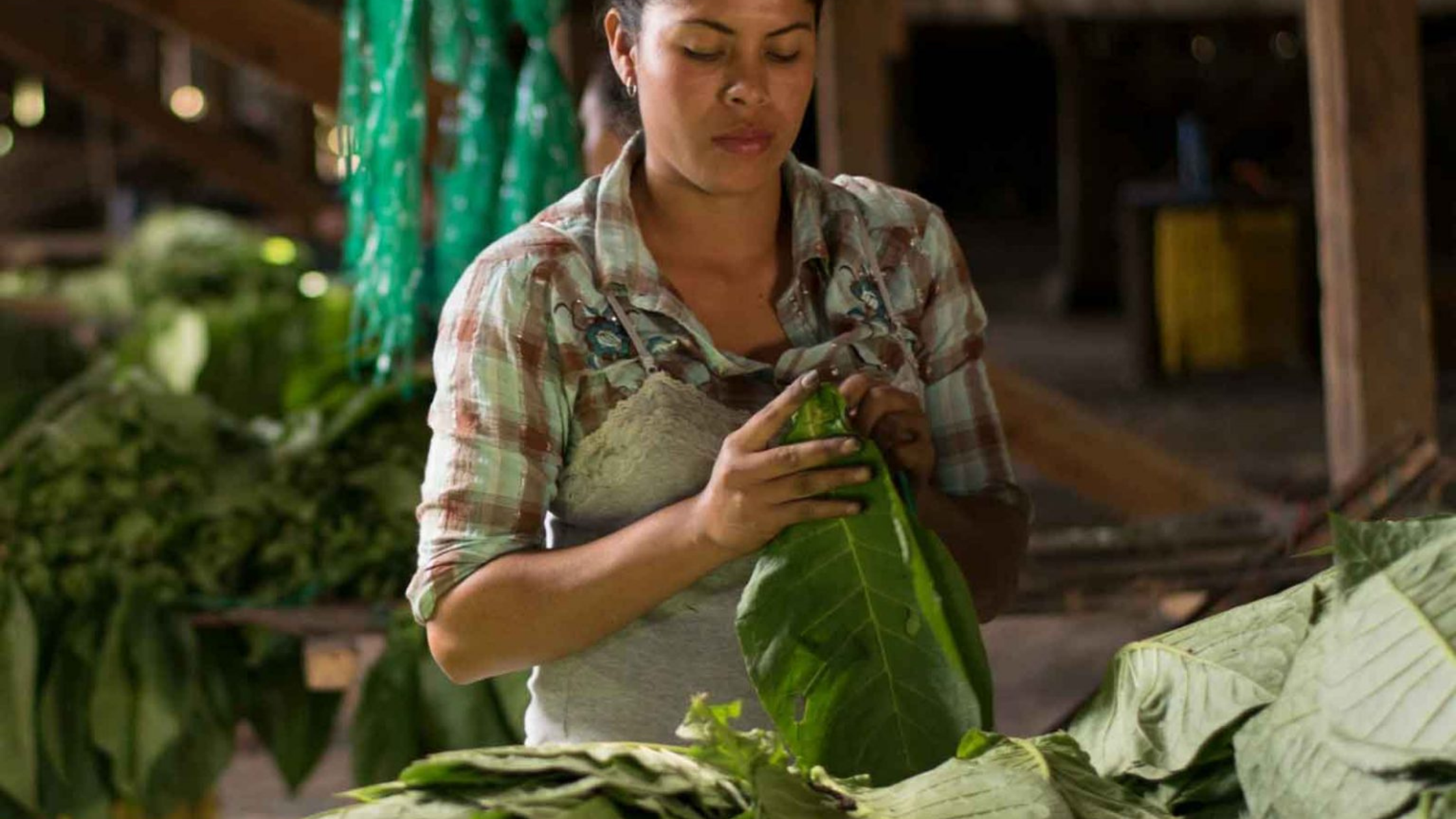
To really understand where Honduran and Dominican cigars sit, it helps to bring Nicaraguan tobacco into the conversation. Nicaraguan cigars are often considered the boldest in the cigar world, with tobacco grown in regions like the Jalapa Valley, Estelí, and Condega. Nicaragua’s volcanic soil produces rich tobacco known for its spice, strength, and depth, giving these cigars a more intense, full-bodied feel from the start.
Compared to both, some of the best Nicaraguan cigars tend to push further into strength and spice. Honduran cigars usually land in that middle ground, offering more body and edge than Dominican cigars, while still staying more balanced than the intensity you’ll find from Nicaragua.
If you think of it as a spectrum:
Dominican cigars = mild and refined
Honduran cigars = balanced with more body
Nicaraguan cigars = bold, spicy, and full-bodied
Once you start comparing them side by side, those differences become much easier to pick up, especially when looking at how Nicaraguan vs Dominican cigars differ in overall strength and how Honduran vs Nicaraguan cigars stack up in terms of body and intensity.
Ultimately, the better option is simply what fits your taste. If you prefer a smoother, more refined experience with a consistent burn, Dominican cigars are hard to beat. If you’re after something more earthy, rich, and full of character, Honduran cigars deliver that heavier, more rugged profile.
Most experienced smokers don’t stick to just one region. The real move is knowing when to reach for each. A smooth Dominican cigar with coffee in the morning hits differently than a bold Honduran cigar after a long day.
Once you’ve figured out which direction fits your style, the next step is simple: find a few quality options and try them side by side. That’s where the real differences start to stand out. You can find premium cigars online from both regions and many more right here at After Action Cigars.

If you’ve smoked a variety of different cigars, you’ve probably noticed that not all cigars deliver the same experience, and a big part of that comes down to where the tobacco is grown. When comparing Dominican vs Honduran cigars, you’re really...

If you’ve spent time exploring premium cigars, you’ve probably either been curious about or even run into the comparison between Honduran and Nicaraguan cigars. While both countries produce high-quality cigars, the experience they deliver can feel completely different once you...

You’ve probably heard the debate between Dominican and Nicaraguan cigars. While both countries produce some of the most well-made cigars in the world, they offer very different cigar smoking experiences. At a glance, Dominican cigars are known for their smooth,...