Arturo Fuente cigars have been part of the premium cigar conversation for more than a century. From humble beginnings in Ybor City to estate-grown tobacco in the Dominican Republic, the Fuente name has stayed tied to consistency and family leadership.
In this Arturo Fuente Cigars Guide, we’re breaking down the history, the people behind the brand, the core lines, and what makes these cigars different from everything else on the shelf. Whether you’re new to the Fuente cigar lineup or you’ve smoked them for years, this will give you a clear picture of how the brand was built and why it still matters today.
Few names in the premium cigar world carry the same recognition as Arturo Fuente. The question isn’t whether you’ve heard of the brand. It’s whether you understand why it became one of the most influential cigar makers in modern history.
The Story Behind Arturo Fuente
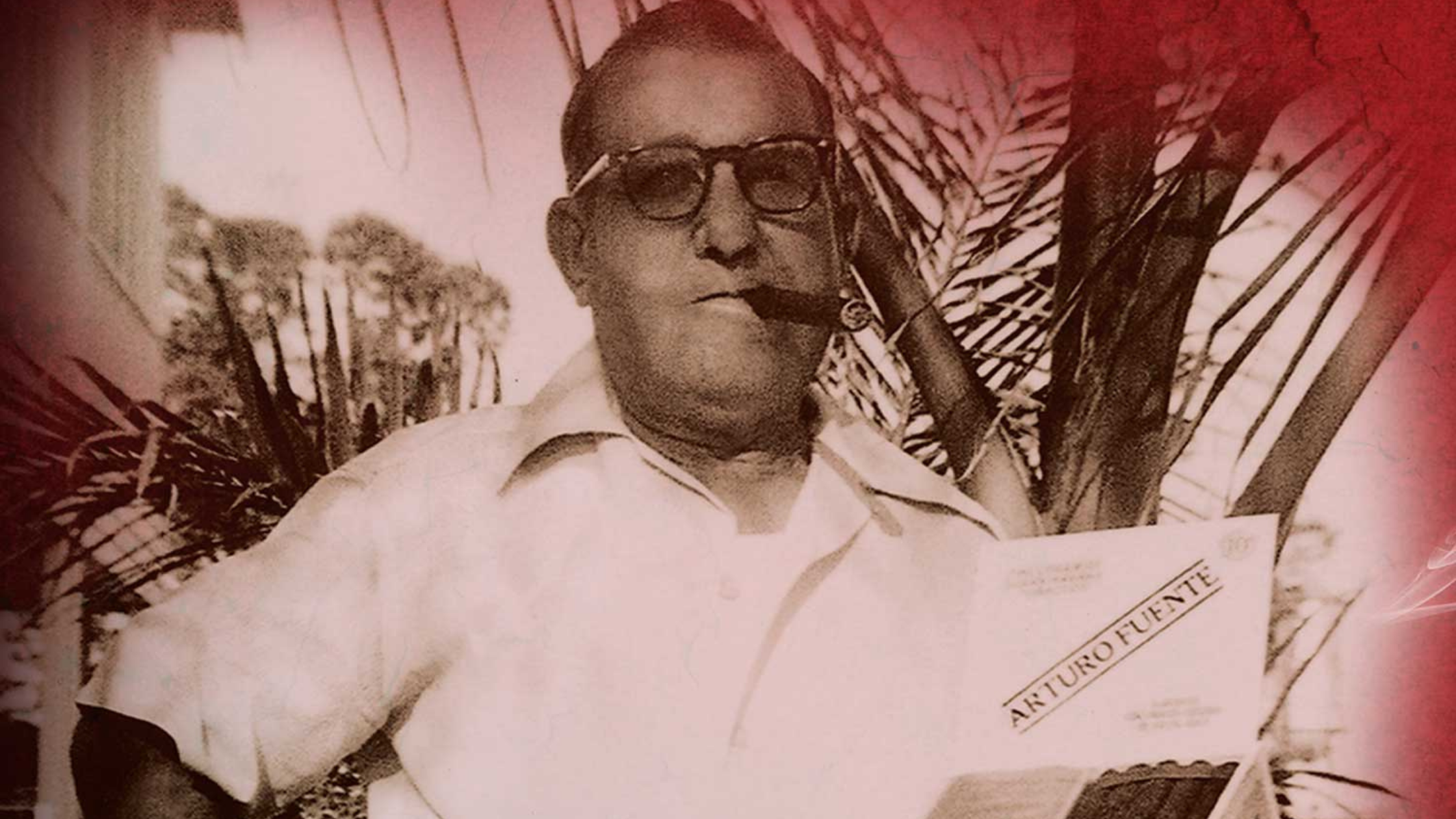
The story of Arturo Fuente starts in 1912 when Arturo Fuente opened a small factory in Ybor City, Florida. Like many early cigar makers, his roots traced back to Cuba, where Cuban tobacco tradition shaped how premium cigars were blended and rolled. Per Cigar Aficionado, Carlos Fuente Jr. and his father 'revived the perfecto shape with their Hemingway series and drove the demand for full-flavored smokes with their creation of the Fuente Fuente OpusX.'
Arturo moved his operation from Cuba to Florida chasing opportunity and stability. Those humble beginnings in Ybor City were part of the larger American dream many cigar makers pursued at the time. The company also operated within the broader West Tampa cigar community during its early years, and later crossed paths with influential figures in the cigar business, including Robert Levin during key expansion periods.
The early years were not easy. Fires, setbacks, and changing markets forced the family to rebuild more than once. Still, the goal stayed the same: make cigars the right way and stand behind them.
Over time, production shifted to the Dominican Republic, where the company would eventually become one of the most respected names in the cigar industry.
The Fuente Family & Leadership
No conversation about the brand is complete without mentioning Carlos Fuente Sr. After the early struggles, Carlos Fuente Sr. rebuilt the business and decided to move production to the Dominican Republic. That move changed everything.
Carlos Fuente Sr. was not just preserving a legacy, he was shaping the modern identity of the company. His belief in controlling quality at every level, from sourcing tobacco to supervising how rollers worked the factory floor, laid the foundation that still defines the operation today.
When Fuente Jr. stepped deeper into leadership, the standards tightened even further. Fuente Jr. became known for patience with aged tobacco, careful wrapper selection, and keeping production disciplined even when demand surged. Fuente Jr. and Carlos Fuente Sr. shared the same mindset: protect the process, protect the reputation, and never rush the product.
As Fuente Jr. grew into the face of the next era, Carlito Fuente pushed hard on estate growing and the long game behind Chateau de la Fuente in Villa Gonzalez. That investment was all about controlling tobacco quality and keeping consistency year after year.
Through every stage, the Fuente family kept ownership and stayed hands-on. That consistency matters in a cigar business where many brands shift factories, ownership groups, or production standards over time.
How Arturo Fuente Changed the Cigar Industry
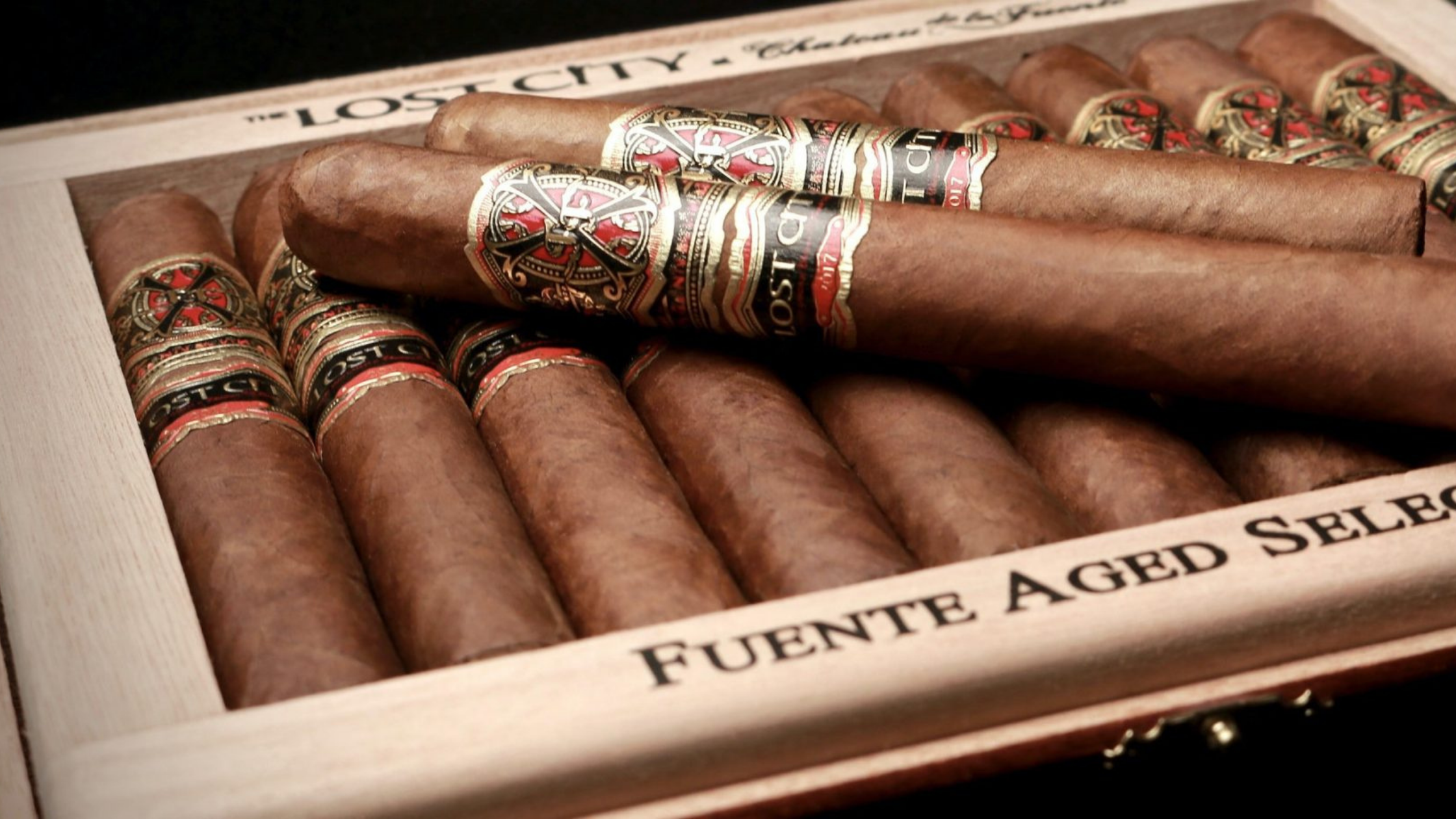
For decades, the Dominican Republic was known for producing smooth, approachable releases. Strong wrapper tobacco was expected to come from Cuban tobacco tradition or, later, from Nicaragua and Ecuador. Dominican leaf was respected but rarely viewed as bold enough to anchor a richer blend.
That assumption changed when the Fuente family invested heavily in growing wrapper tobacco at Chateau de la Fuente in Villa Gonzalez. At the time, many in the cigar industry believed Dominican soil could not produce wrapper capable of supporting a stronger, more structured profile. Fuente proved them wrong.
When Fuente Opus X debuted, it wasn’t just another premium release. It was the first widely recognized Dominican puro built around estate-grown wrapper leaf. It showed that Dominican tobacco could deliver structure and depth without relying on foreign wrapper or Nicaraguan filler tobaccos for strength.
During the cigar boom of the 90s, while many companies chased rapid expansion, the Arturo Fuente brand slowed production rather than compromise quality. Aging rooms were protected. Inventory was limited, even if that meant fewer cigars sold in the short term. Not every thousand cigars requested by retailers were shipped.
That discipline built long-term trust. The combination of estate growing, controlled production, and refusal to overextend helped solidify the brand as more than a legacy name. It became a benchmark.
Core Arturo Fuente Cigars Explained
Over the years, the Arturo Fuente family has built a portfolio that covers everything from everyday smokes to limited releases collectors chase each year. Per Cigar Aficionado, the 1983 revival of the Hemingway series brought back the perfecto shape when 'Carlos Fuente Sr. found old cigar molds in an Ybor City, Florida warehouse and brought them to Fuente's factory in the Dominican Republic.'
While strength and wrapper vary across the lineup, most Fuente cigars share the same foundation: aged Dominican filler and binder tobaccos, steady construction, and flavors that develop rather than spike.
Below is a closer look at the most recognized lines and what makes each one stand out.
Château Fuente (Natural, Maduro, Sun Grown)
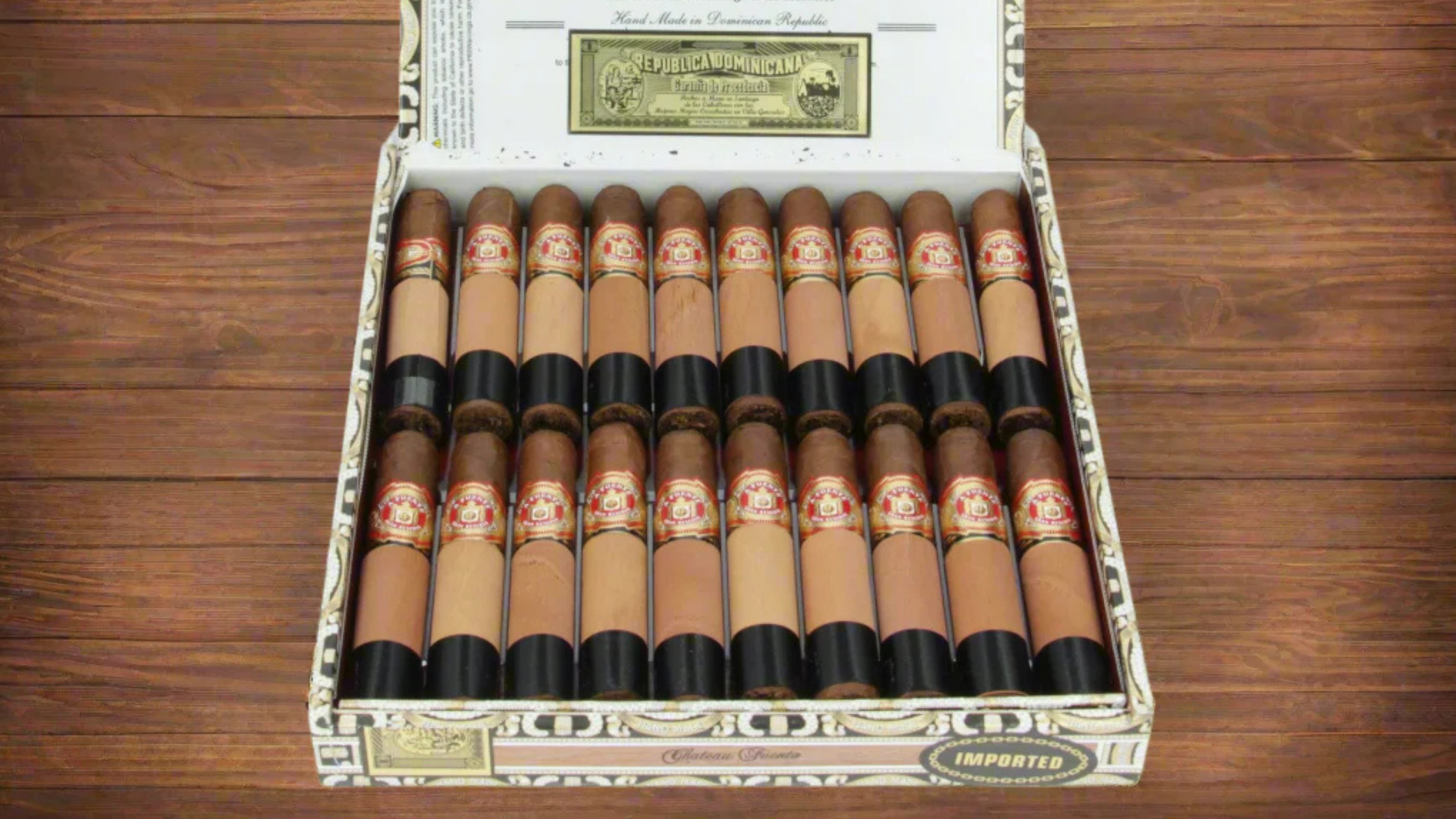
The Château line is where many smokers start with the Fuente portfolio. These are consistent, approachable cigars made with Dominican binder and filler tobacco, rolled under the Fuente family’s watchful eye.
-
Chateau Fuente Natural: Connecticut-shade wrapper grown at the family estate that leans toward cedar, cream, and light nut notes with a smooth medium body.
-
Chateau Fuente Maduro: Connecticut Broadleaf wrapper brings darker sweetness, richer spice, and earthier tones.
-
Chateau Fuente Sun Grown: Ecuadorian sun-grown wrapper boosts spice, structure, and a slightly bolder profile.
A quick visual cue many use on select Château Fuente offerings, the Natural and Maduro versions carry a green band, while the Sun Grown a red band. This makes them easier to spot quickly in a humidor.
Fuente Gran Reserva (8-5-8, Magnum R)
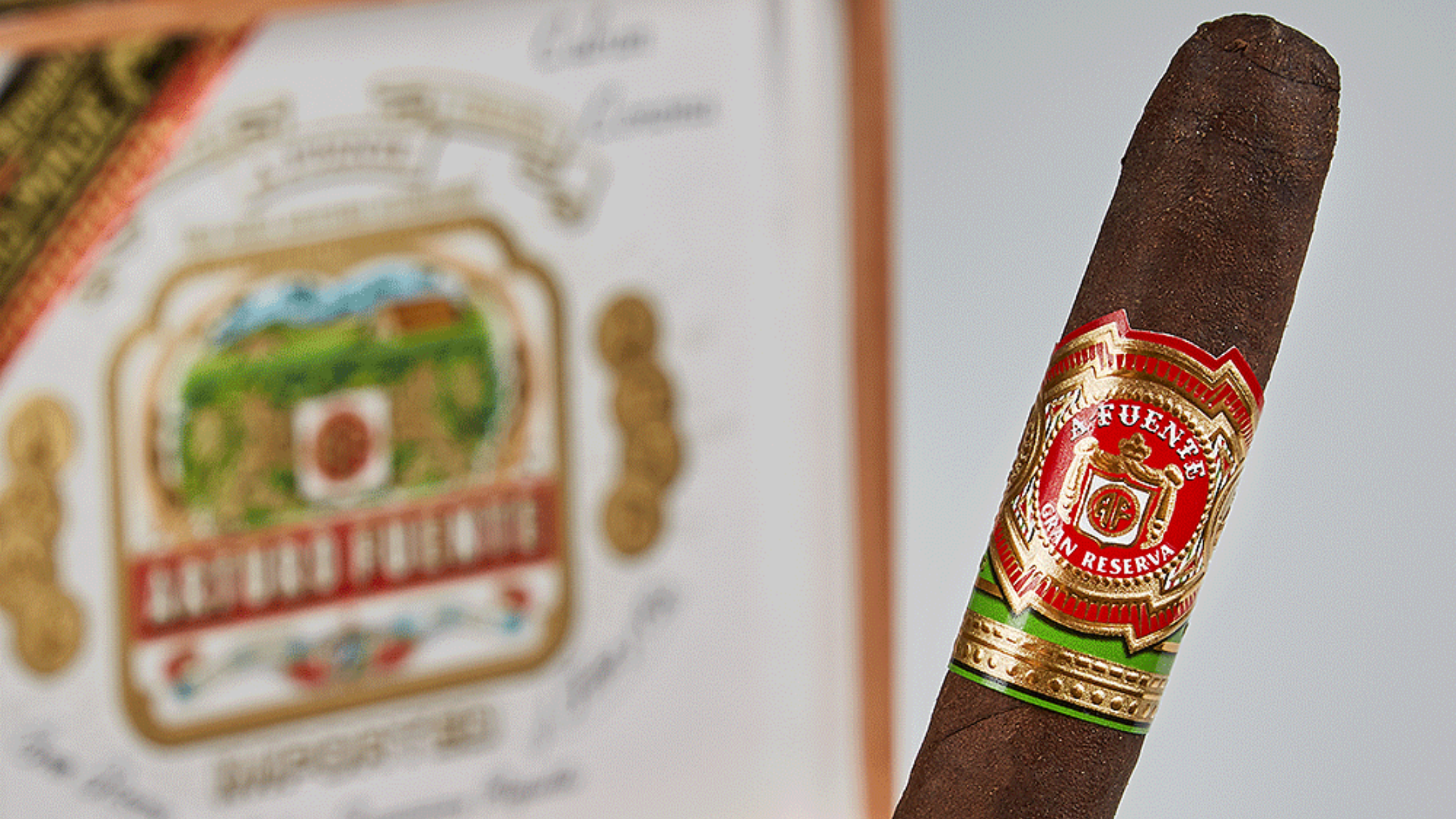
Gran Reserva has been a steady favorite for decades and includes classic sizes like the 8-5-8 and Magnum R. These cigars usually feature Dominican filler and binder with Cameroon or Connecticut wrappers and sit in the medium range.
The Gran Reserva focuses on balance: a composed burn line, a steady draw, and flavors that unfold predictably. Many long-time smokers point to these sizes as their daily go-to, especially if they want something reliable for any time of day.
Arturo Fuente Don Carlos
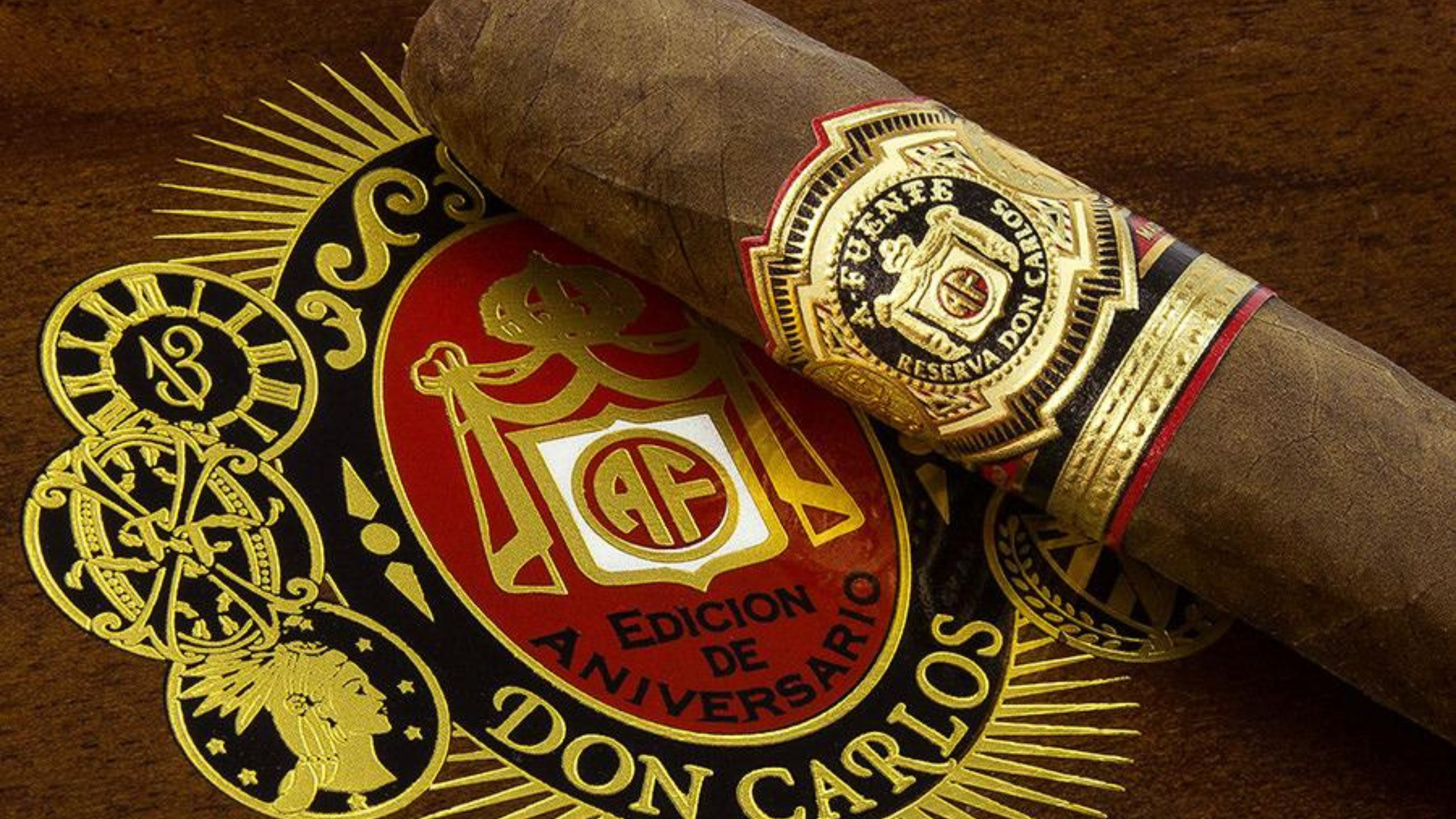
Blended by Carlos Fuente Sr. as a tribute to his father, the Fuente Don Carlos series has become a benchmark within the brand. These are typically medium-to-medium-full cigars with African Cameroon wrappers over vintage Dominican filler.
Expect refined complexity: cedar, chestnut, espresso, a touch of cocoa, and spice that stays polished rather than sharp. Construction is even, draw effortless, and the overall profile sophisticated, a line respected by seasoned smokers and often rated highly by reviewers.
Arturo Fuente Hemingway
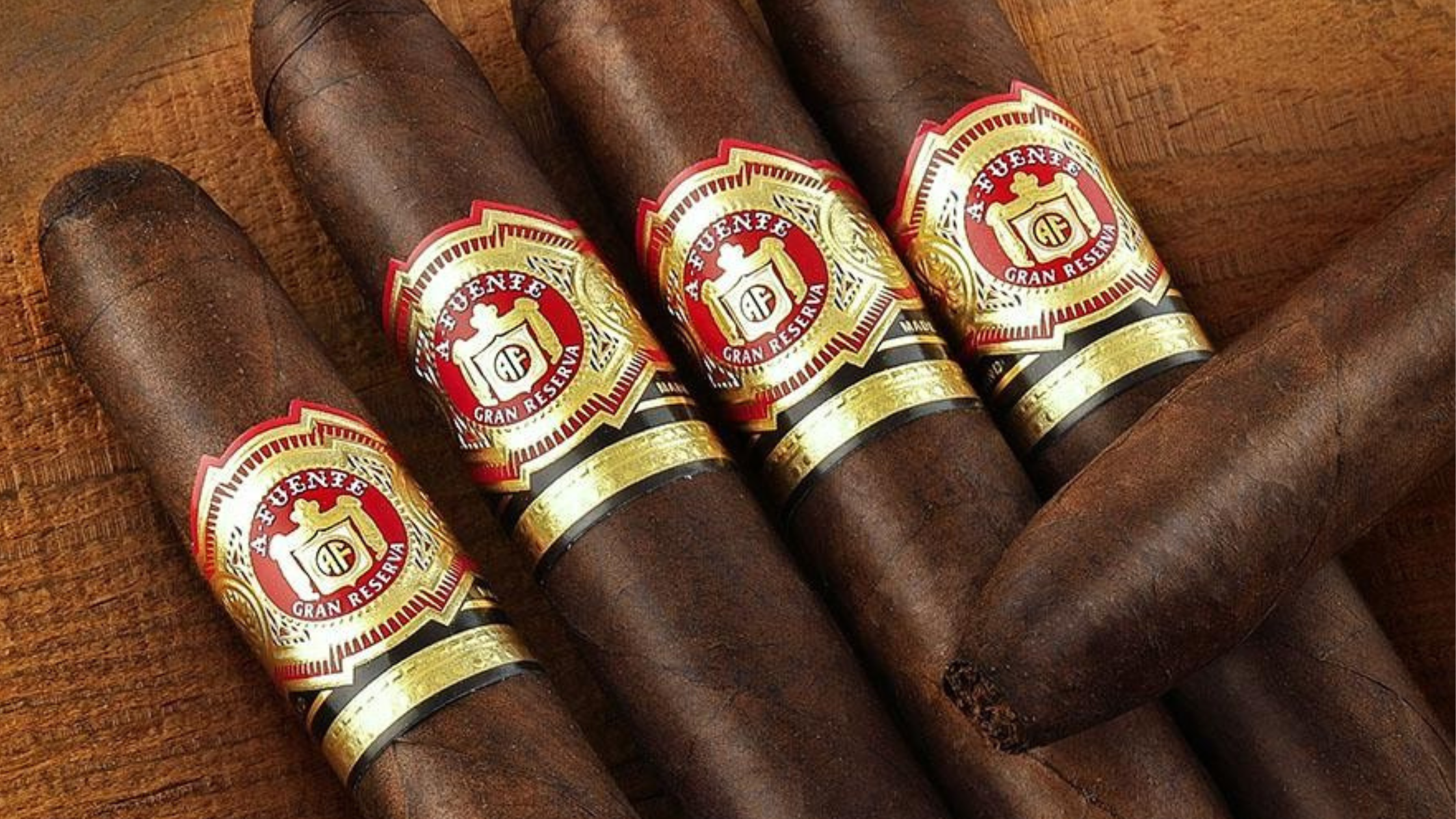
The Arturo Fuente Hemingway line revived classic figurado shapes when few others were doing them and has stayed true to that identity for decades.
These are usually medium bodied, with Cameroon wrappers over Dominican filler and binder. Flavor tends toward cedar, earth, light pepper, and subtle sweetness, a smooth, balanced experience that highlights craftsmanship. Because of the shape, these cigars also burn uniquely, rewarding patient smokers.
Fuente Fuente Opus X
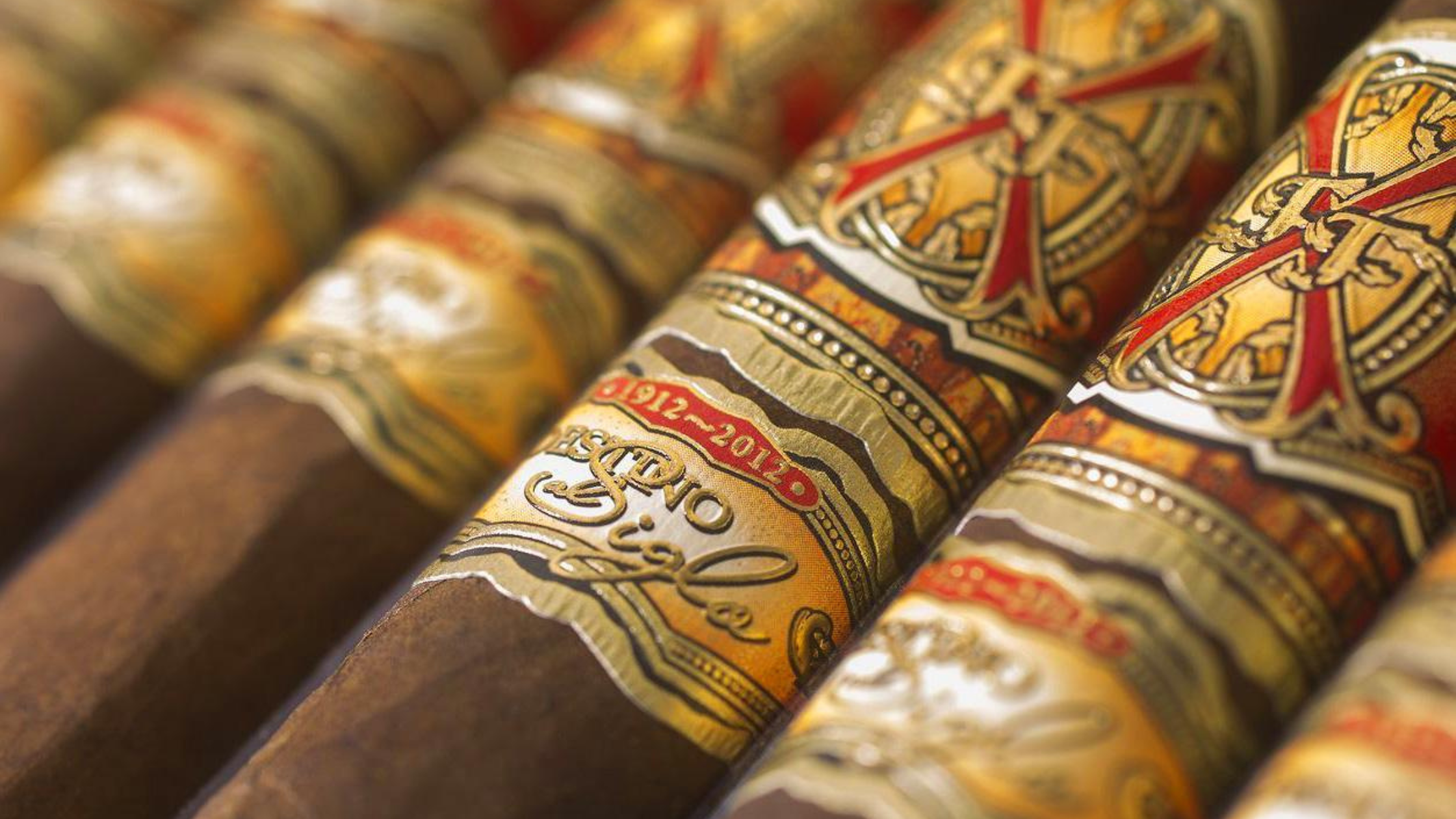
Often the first cigar mentioned when people hear “Fuente,” Opus X was the blend that changed how the world looked at Dominican tobacco. It was the first widely recognized Dominican puro using wrapper leaf grown on the Fuente estate at Chateau de la Fuente.
Sizes vary widely (from Petit Lancero to Double Corona), and while these are generally richer and stronger than much of the core range, they’re prized more for complexity, structure, and depth than sheer power. Notes can include spice, leather, cocoa, and earth, with layers that evolve throughout the smoke.
Because availability is limited and demand remains high, Opus X often carries premium prices and is sought after by collectors.
Arturo Fuente Añejo
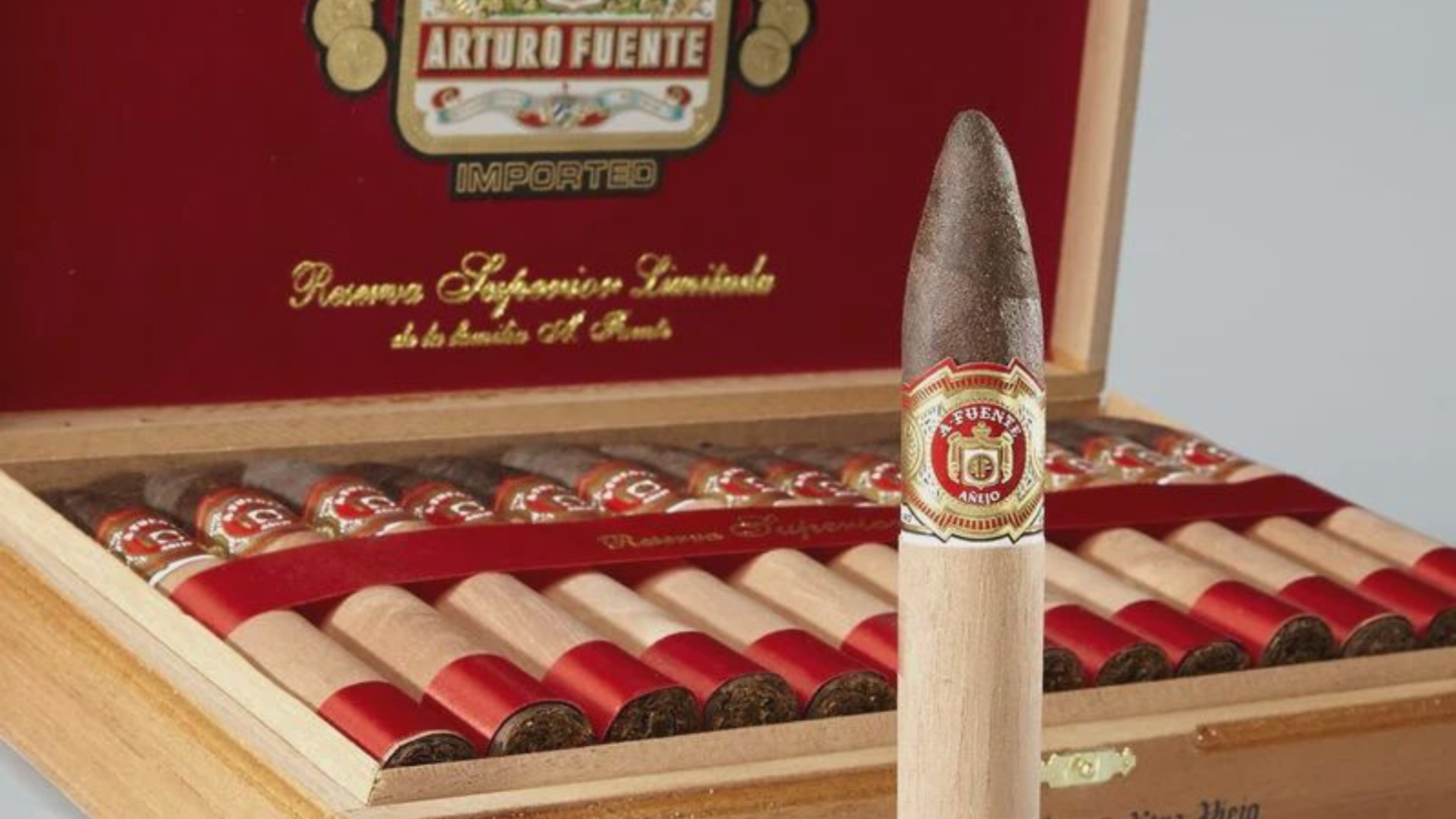
Añejo cigars use Maduro wrappers aged in cognac barrels, giving them a darker, richer profile than many other Fuente releases. These tend to lean medium-full to full in strength and offer deeper notes of molasses, dark chocolate, and spice.
This line isn’t always a daily smoke for every palate, but for smokers who want a richer experience without losing balance, Añejo delivers something distinct from the other core offerings.
Tobacco & Production: From Seed to Cigar
The company maintains unusually tight control over production for a business of its size. Tobacco is grown, harvested, air-cured in traditional curing barns, fermented slowly, and aged before it ever reaches the rolling floor. Per Cigar Aficionado, OpusX was 'the first cigar to be fully born in the Dominican Republic', defying conventional wisdom that DR soils couldn't produce quality cover leaf.
Many blends are aged for years. That difference shapes flavor consistency and construction reliability. When rollers roll cigars, the goal isn’t speed. It’s repeatability. That discipline is part of why so many long-time smokers describe Fuente cigars as dependable.
Filler tobaccos are selected carefully, and production remains centered in the Dominican Republic rather than shifting between factories in Nicaragua or elsewhere. That stability reduces variability from batch to batch, especially compared to brands that rely heavily on Nicaragua to drive strength across most blends.
This is also where the “hands-on” part matters. The people making cigars here aren’t racing a calendar, they’re following a process. When rollers roll cigars, consistency is the goal, because consistency is what keeps fine cigars worth coming back to.
In 1998, Hurricane Georges devastated much of the Dominican Republic, including farms tied to the Fuente family. Instead of outsourcing or lowering standards, the company rebuilt. Estate farming at Chateau de la Fuente became even more central to the long-term plan.
That moment reinforced the approach established by Carlos Fuente Sr. and continued by Fuente Jr. and Carlito Fuente: control what you can, protect quality, and think decades ahead.
Inside the Fuente Factory: Who Else Relies on It
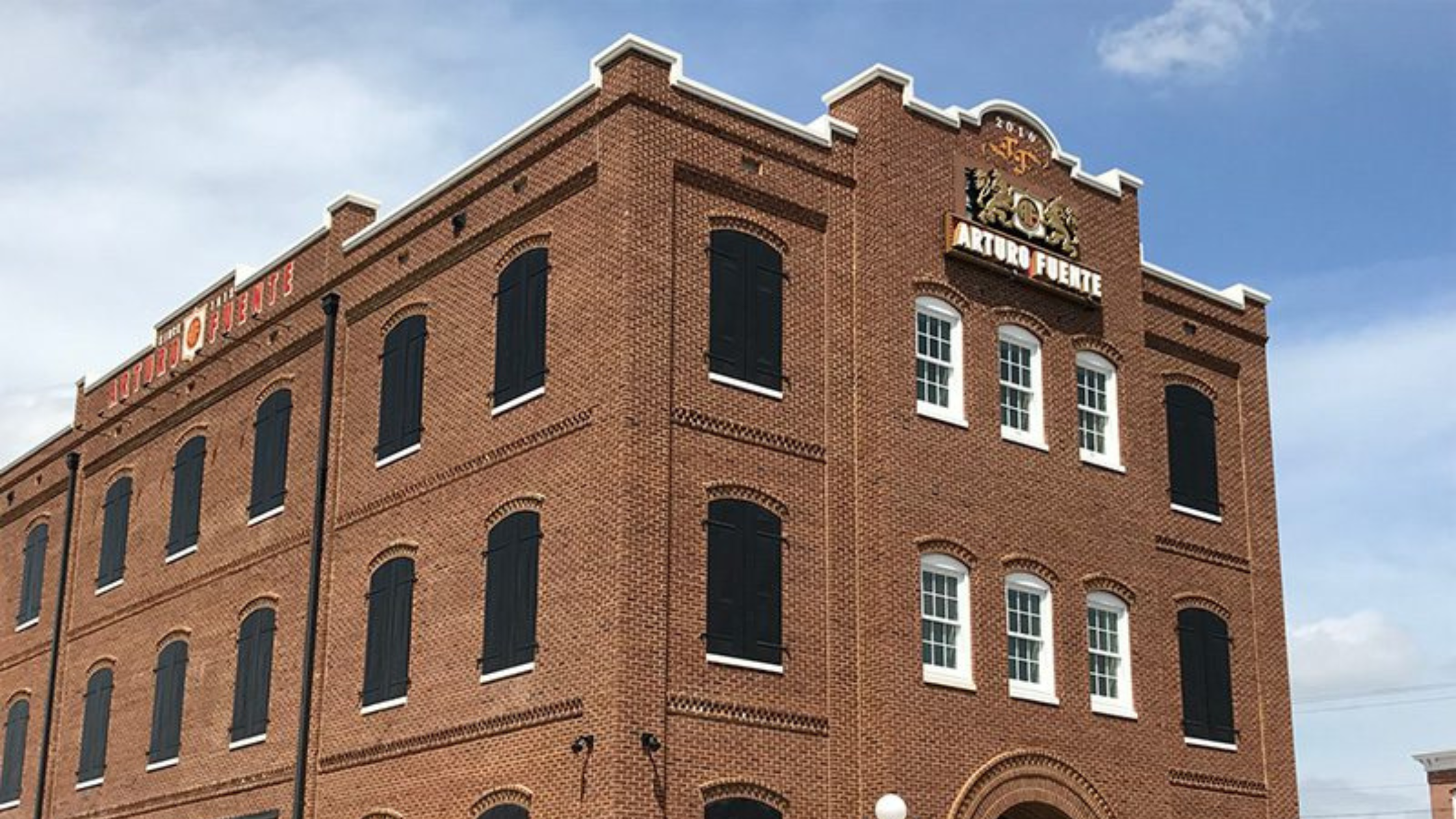
The Fuente factory does not operate as a large contract manufacturer, but it has maintained select partnerships that speak to its reputation within the premium cigar industry. Per Cigar Aficionado, the Fuente factory's status as a premium production hub in the Dominican Republic was built across decades by the Fuente family's Cuban-exile lineage.
One of the most notable is Ashton Cigars. The Ashton Classic, Cabinet, VSG, and ESG lines are produced in the Dominican Republic by the Fuente family under a long-standing relationship with Robert Levin. That partnership has lasted decades, built on shared standards around aging, consistency, and disciplined production.
The factory also produces Diamond Crown for J.C. Newman Cigar Co., another respected family business in the cigar industry. The Newman family’s decision to entrust Diamond Crown production to the Fuente factory reflects the level of confidence placed in its process and quality control.
These are not casual arrangements. They are selective collaborations between companies that prioritize long-term reputation over rapid expansion. The fact that other premium brands rely on the Fuente factory reinforces what many cigar smokers already understand: consistency here isn’t marketing, it’s operational.
What Do Arturo Fuente Cigars Taste Like?
Most of the core lines lean into cedar, toasted nuts, cream, and a dry baking spice that builds gradually. The sweetness feels natural, more like aged tobacco than sugar. Even when you step into something richer like Añejo or Opus X, the strength shows up in layers instead of hitting all at once.
What really stands out is how steady they are. The burn line usually stays even. The draw stays open. The flavor doesn’t suddenly spike or collapse in the final third. It just keeps moving in the same direction it started.
There are stronger cigars on the market. There are sweeter ones too. Fuente tends to focus on balance and structure, cigars that stay consistent from first light to the nub. That’s a big reason so many smokers stick with them long term.
Who Are Arturo Fuente Cigars For?
If you’re trying to figure out whether this brand is “for you,” the short answer is: probably. Newer smokers usually do best starting with Gran Reserva or Hemingway because they’re smooth, dependable, and don’t require a trained palate to appreciate.
If you already know you prefer richer flavor and more structure, Don Carlos and Añejo are natural next steps. Opus X is there for anyone who wants to experience the release that reshaped how people view Dominican tobacco.
The reason so many smokers stay brand loyal is simple: you can explore the lineup without guessing. Whether you’re buying from a local shop or picking one up from our humidor at After Action Cigars, the range gives you real options while still feeling like it comes from the same playbook.
How to Choose Your First Arturo Fuente Cigar
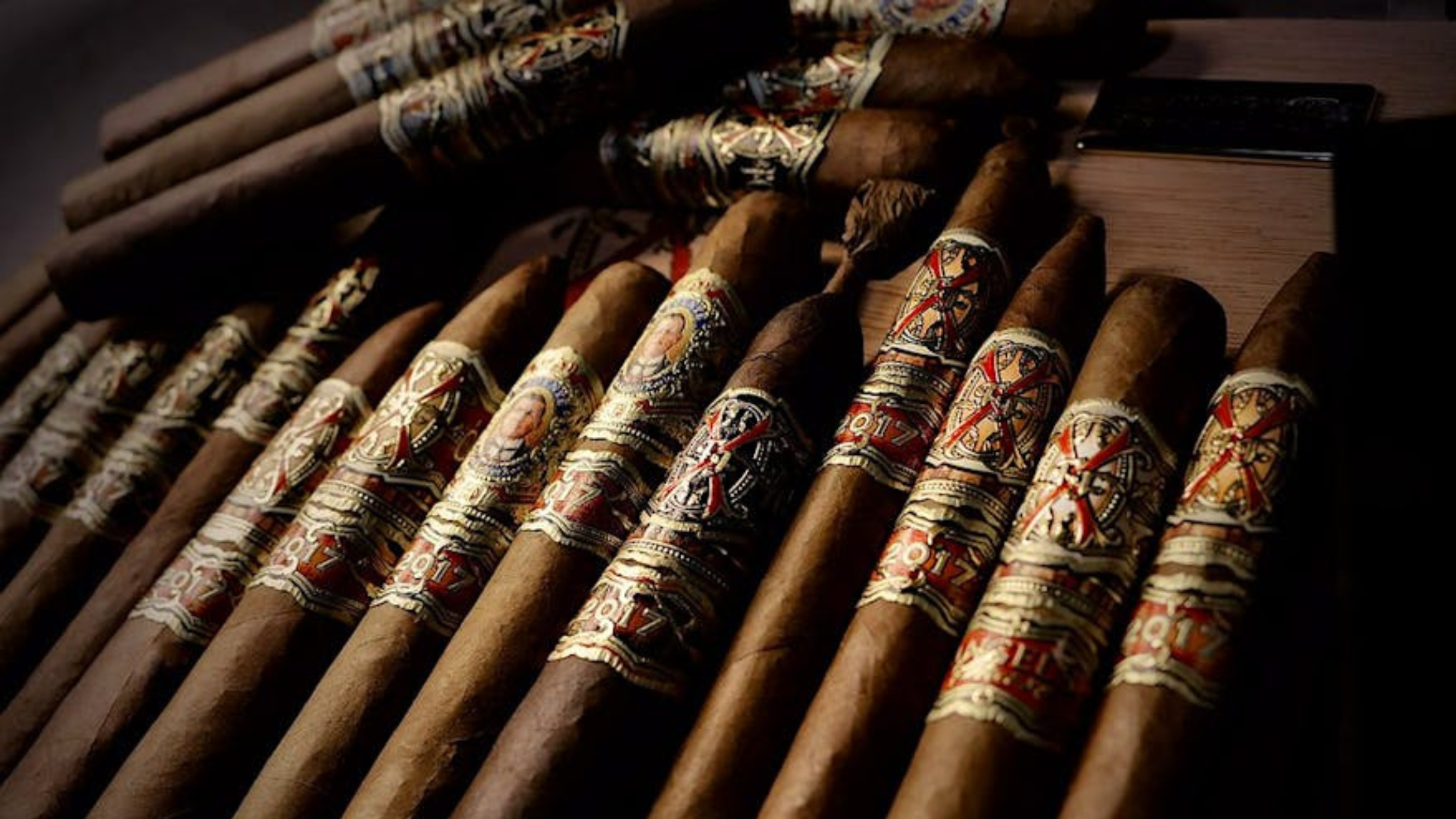
If you’re standing in front of a humidor trying to decide where to start, the first piece of advice is simple: don’t assume the most expensive option is the best place to begin.
Some Arturo Fuente cigars, especially limited releases and Opus X, can carry a premium price tag. They’re exceptional, but jumping straight to the top of the lineup without experience can mean you miss what makes them special.
Strength, structure, and complexity are easier to appreciate once you’ve spent time with the brand’s core blends. Start with the foundation.
If you prefer mild or smoother cigars:
Start with Château Natural or the Hemingway line. Both lean medium bodied at most, focus on cedar and cream, and stay easy from start to finish. They show you what Fuente balance feels like.
If you like classic, balanced cigars with depth but not heavy strength:
Go Gran Reserva, especially the 8-5-8 or Magnum R. This is the steady, dependable option and a big reason people stay brand loyal.
If you want a richer flavor without going extreme:
You'll want to look toward the Maduro versions or Don Carlos. You’ll get more body, more structure, and a little more spice while still keeping that smooth identity.
If you want to understand why Opus X became legendary:
Try Opus X after you’ve worked through a few others. It’s fuller, more structured, and built around estate-grown Dominican wrapper leaf. It makes more sense once you understand what the rest of the lineup does.
No matter which direction you go, the common thread across Arturo Fuente cigars is consistency. They rarely feel rushed or harsh. Take your time with the progression, and you’ll appreciate each step a lot more.
Arturo Fuente vs. Other Premium Cigar Brands
In a modern humidor, Arturo Fuente cigars often sit beside brands like Padrón, My Father, and Oliva Cigars. Each has a different identity.
Padrón built its reputation on Nicaraguan power and consistency. My Father leans heavily into bold spice and Cuban-inspired blending. Many newer brands rely on limited drops and aggressive marketing.
The Arturo Fuente brand takes a different path. While limited releases exist, the core portfolio remains steady year after year. Strength varies, but balance is almost always the priority. Even full-bodied lines like Añejo and Fuente Opus X tend to emphasize structure over raw intensity.
That consistency is part of why cigar smokers across generations recognize the name. Fuente did not become influential by being loud. It became influential by being reliable.
Arturo Fuente FAQ
Here are a few of the most common questions cigar smokers ask about Arturo Fuente cigars.
Where are Arturo Fuente cigars made?
They are made in the Dominican Republic at a dedicated Fuente cigar factory.
Are Arturo Fuente Cigars a family-owned brand?
Yes. The Fuente family still runs the company.
What makes Opus X different?
It uses wrapper tobacco grown at Chateau de la Fuente, making it a Dominican puro.
Are Arturo Fuente cigars hard to find?
Some limited releases are, but core lines are widely available.
Why Arturo Fuente Still Leads Today
In a cigar industry where brands are constantly bought, sold, or moved between factories, this company has remained steady. Production stays rooted in the Dominican Republic. The Fuente family still oversees operations. The focus remains on quality over volume.
Recognition from publications like Cigar Aficionado, along with repeated appearances in Cigar Aficionado rankings and features, continues to reinforce its position in the premium market. Appearances at events such as the Big Smoke in Las Vegas, along with partnerships with the Newman family through J.C. Newman Cigar Co. and Diamond Crown projects, reflect the respect the name carries across the industry.
More than a century after Arturo moved operations from Cuba to Florida, the philosophy hasn’t changed: protect the tobacco, protect the process, and let the reputation compound over time.
Trends come and go. Limited drops rise and fade. Marketing cycles spin. Fuente just keeps making cigars the same way, and that’s why the name still carries weight.
Where to Buy Arturo Fuente Cigars Online
If you want to buy Arturo Fuente cigars online, there are a few things to look for beyond price. Proper storage matters. So does inventory turnover and shipping speed. Premium cigars are sensitive to temperature swings, and poor handling can undo years of careful aging.
At After Action Cigars, we carry a rotating selection of Arturo Fuente cigars stored in a temperature-controlled humidor and shipped fresh. Whether you’re looking for everyday Château blends or harder-to-find releases, we focus on handling every cigar the way it should be handled.



