


A torpedo is a figurado cigar with a straight body and a sharply tapered, pointed head, usually 6 to 6.5 inches with a 50 to 54 ring gauge, and that pointed cap is the whole trick: it lets you control...

If you’ve spent time exploring premium cigars, you’ve probably either been curious about or even run into the comparison between Honduran and Nicaraguan cigars. While both countries produce high-quality cigars, the experience they deliver can feel completely different once you light up.
In Honduras, tobacco is often cultivated to produce a more grounded, wood-forward profile, while Nicaragua has built a reputation for bold, spicy blends shaped by volcanic soil. These differences don’t just show up in flavor alone; they affect how the cigar burns, how the wrapper leaf and filler tobacco interact, and how the entire smoking experience unfolds on the palate.
Once you understand how each different tobacco-growing country approaches cigar making, it becomes much easier to decide which direction fits your taste.
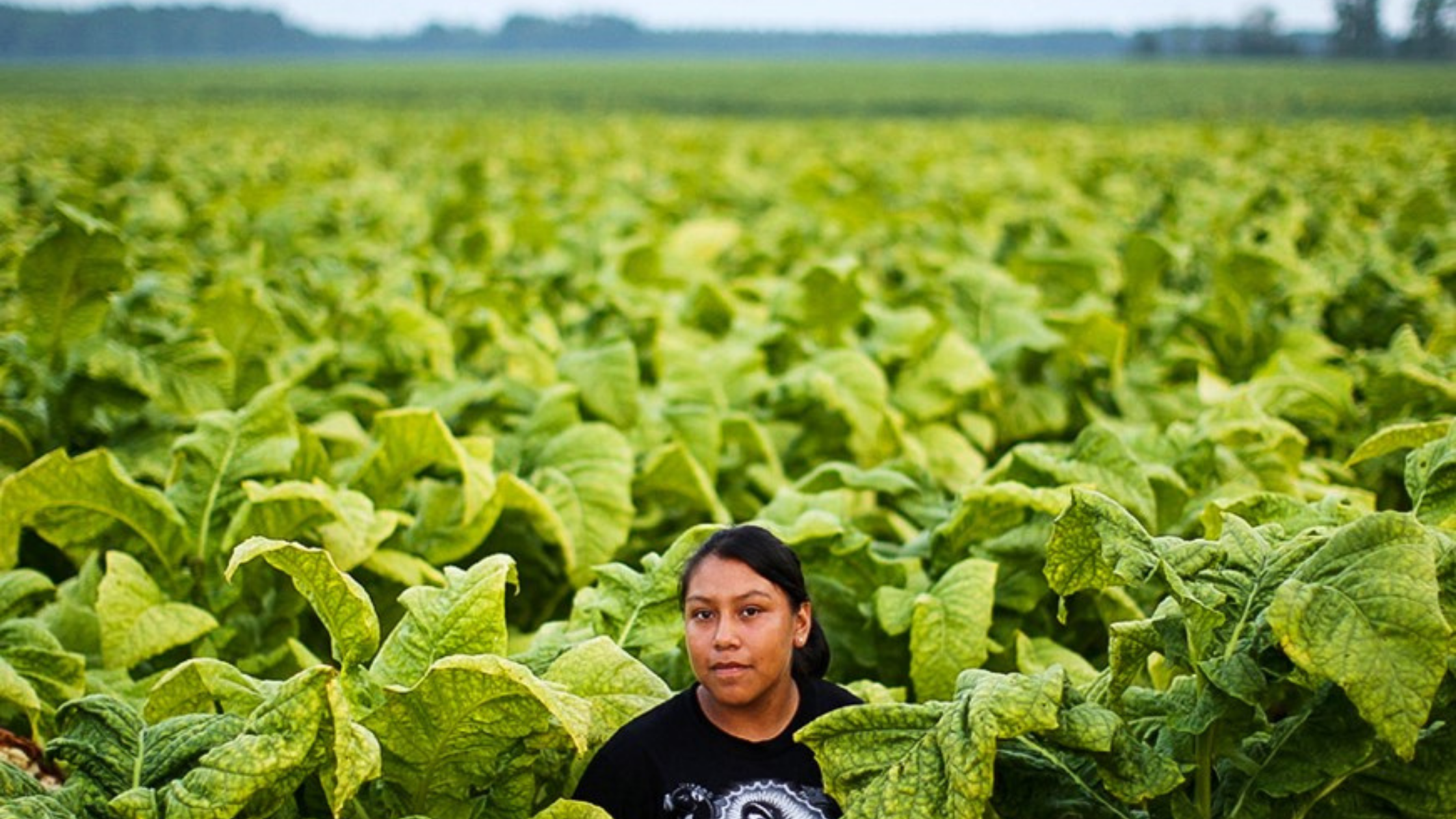
The gap between Honduran cigars and Nicaraguan cigars isn’t about one being better than the other; it’s about how each country approaches tobacco and what that means for the smoking experience.
Honduran cigars are often defined by their earthy, slightly rugged character. They tend to stay consistent throughout the smoke, delivering steady flavors that don’t swing too far in any one direction. That makes them a go-to for smokers who want something reliable and grounded.
Nicaraguan cigars, on the other hand, are built for intensity and progression. These cigars often start bold and continue to develop as you smoke, layering in spice, richness, and deeper flavors along the way.
Both fall firmly into the world of premium cigars, and both are commonly full-bodied cigars. The difference is how that strength shows up, steady and earthy in Honduran cigars, or dynamic and evolving in Nicaraguan blends.
When comparing these two regions, the biggest differences show up in how flavor develops and how it sits on the palate. While both regions are known for producing full-bodied cigars, the way those flavors are built, from wrapper leaf to filler tobacco, creates two very different smoking experiences, especially once the cigar opens up on the palate.
Cigars from Honduras are known for a grounded flavor profile, often built around notes of cedar, leather, cocoa, and wood. The tobacco leaf used here tends to produce a slightly rustic character that stays consistent throughout the smoke.
Rather than evolving dramatically, the blend typically delivers a steady experience, where the wrapper leaf and filler tobacco work together to create a balanced profile. For many cigar smokers, that consistency is exactly the appeal found in the top Honduran cigars; what you taste in the first third carries through to the finish without major shifts.
You’ll notice the difference in taste early on, especially in how the flavors settle on the palate and remain stable as the cigar progresses.
Cigars from Nicaragua are known for a more expressive and layered flavor profile. It’s common to pick up notes of coffee, dark chocolate, spice, and a natural sweetness that builds as the cigar progresses. Many of these blends lean spicy and bold, with flavors that evolve noticeably from start to finish.
This comes largely from Nicaraguan tobacco grown in volcanic soil, which produces richer, more concentrated characteristics. Compared to Honduran blends, the overall experience tends to feel more dynamic, with each third of the cigar revealing something new on the palate. It’s also common to pick up subtle cedar notes depending on the wrapper and how the blend is constructed.
Many of the best Nicaraguan cigars highlight this layered approach, using a combination of wrapper, binder, and filler tobaccos to build strength and complexity. The result is a cigar that feels more dynamic from start to finish, especially compared to more consistent Honduran blends.
Both regions are known for producing full-bodied cigars, but strength isn’t determined by country alone. It comes down to how the cigar maker builds the blend, especially the balance between wrapper, binder, and filler tobaccos.
In Honduras, strength tends to feel more controlled and steady. In Nicaragua, the same level of strength can come across as more intense due to the added spice and richness on the palate. That difference is what makes two cigars with similar body feel completely different when you smoke them.
While Dominican tobacco is often known for a smoother, more balanced profile, both Honduras and Nicaragua take a different approach, leaning more toward strength and depth.
A lot of what you taste in a cigar can be traced back to where the tobacco was grown. In Nicaragua, most premium leaf comes from Estelí, Condega, and Jalapa, and they don't all do the same job. Of Jalapa, Cigar Aficionado writes: "This is the region of Nicaragua that yields the most wrapper."
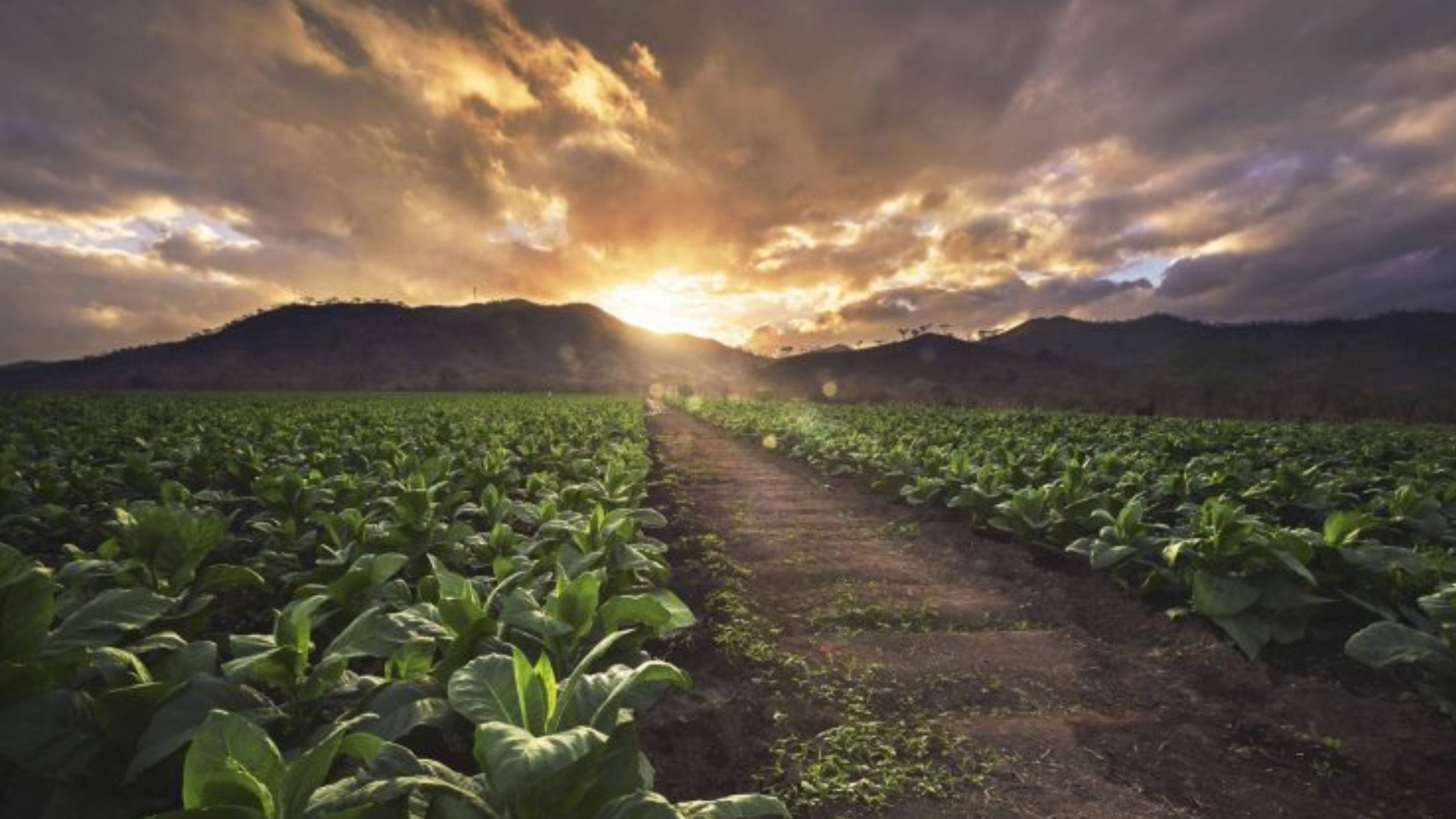
In Honduras, tobacco is cultivated in regions like the Jamastran Valley and Copan, where the climate and soil produce thicker, oilier leaves. Much of this tobacco is sun-grown, which contributes to its deeper, more rustic flavor profile. Honduran tobacco often carries a distinct, grounded character that shows up clearly in the final blend.
Many of these tobaccos trace their roots back to Cuban seed varieties, but the growing conditions in Honduras produce a more consistent and controlled result in the finished cigar.
In Nicaragua, tobacco-growing regions like Estelí, Jalapa, and Condega benefit from volcanic soil rich in nutrients. This environment produces tobacco with bold, concentrated flavors that translate directly into the cigar. Nicaragua has become one of the leading producers of premium cigars in the world, largely because of how well this tobacco performs in complex blends.
Nicaragua is now one of the top exporters of premium cigars globally, driven by the demand for richer, more intense blends that continue to shape the modern cigar world.
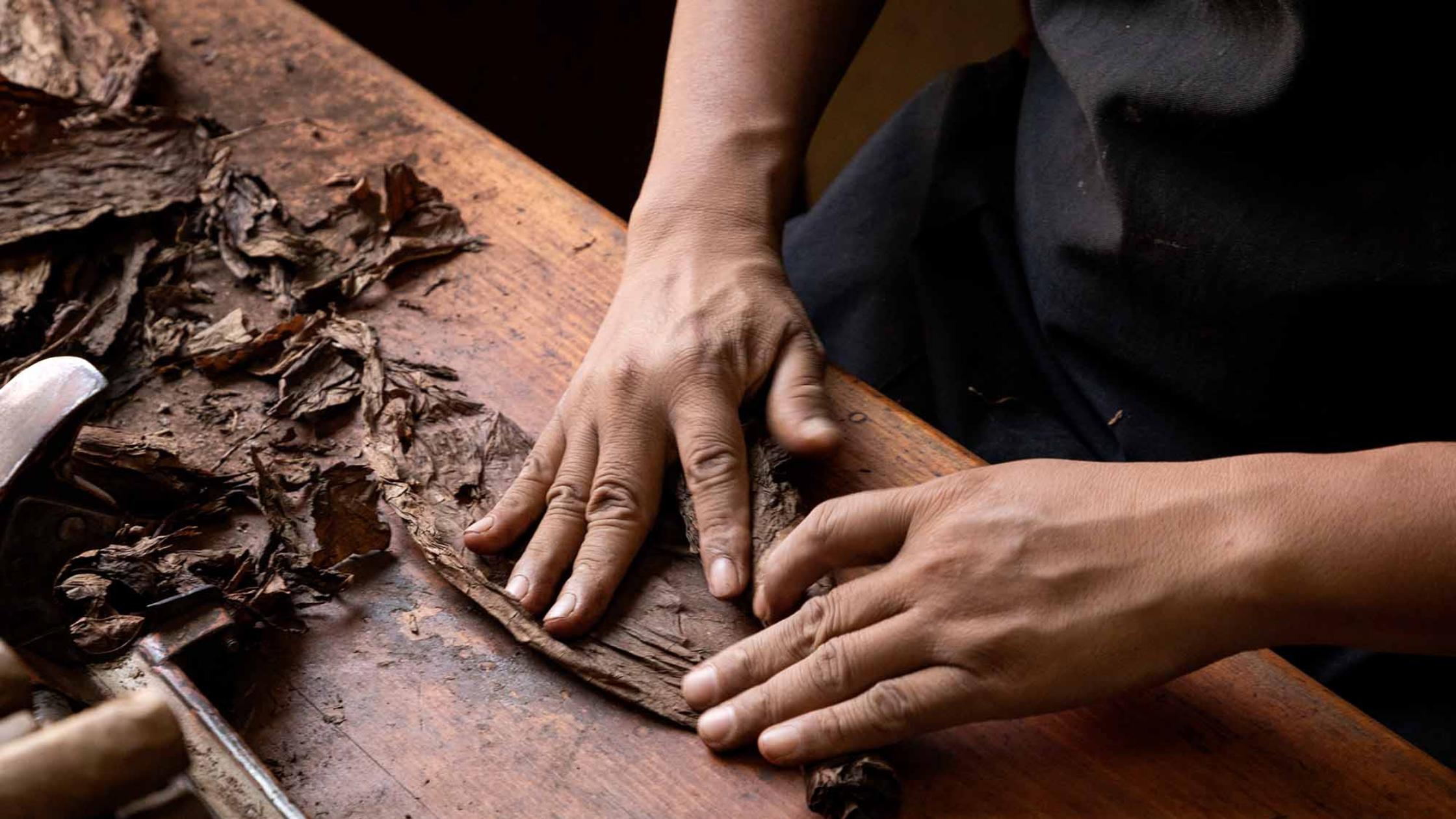
Even though both countries rely on traditional hand-rolling techniques, their approach to blending creates a noticeably different result. The wrapper leaf plays a major role in how a cigar burns and how flavor is delivered, while the filler tobacco adds depth and body to the overall blend. The wrapper itself can influence sweetness, spice, and how the cigar performs from start to finish, especially as heat builds across the burn line. In many cases, the wrapper leaf is what shapes the first impression before the filler takes over deeper into the smoke.
Honduran blends are often built with a focus on consistency. The goal is to create a cigar that delivers the same experience from start to finish, with a smooth draw, even burn, and dependable flavor. These blends tend to emphasize harmony over complexity.
Nicaraguan blends are typically built with more structure. Many are packed more densely and designed to evolve as you smoke. The construction supports that progression, allowing different flavors to come forward at different points in the cigar.
This is also where smoking puros can be helpful. By smoking cigars made entirely from tobacco grown in one country, you get a clearer sense of what that region brings to the table.
If you’re new to cigars, both of these regions can be a little more intense than something like a Connecticut Shade cigar. That said, your experience will depend on the specific blend you choose.
Honduran cigars can be a great option if you prefer something more grounded and balanced. The earthy profile isn’t always beginner-friendly, but the consistency makes it easier to learn from.
Nicaraguan cigars are often better suited for smokers who already have some experience and want to explore stronger, more complex flavors. If you’re just getting started, it’s worth easing into these with milder blends before jumping into the deeper end.
This really comes down to the moment. Honduran cigars are a great fit when you want something dependable. Whether you’re out in the woods, on the range, or just relaxing after a long day, they deliver a steady experience that doesn’t require a lot of attention.
Cigars from Nicaragua tend to shine when you have time to sit and focus on the smoke. These are better suited for slower moments, after dinner, paired with a drink, or anytime you want to really pay attention to how the flavors evolve.
Both Honduras and Nicaragua are home to some of the most respected names in the cigar world. On the Honduran side, much of the industry grew up around Danlí, built by producers such as Julio Eiroa and Nestor Plasencia, and by the mid-1990s Cigar Aficionado reported that "Danlí has been transformed into a cigar making mecca."
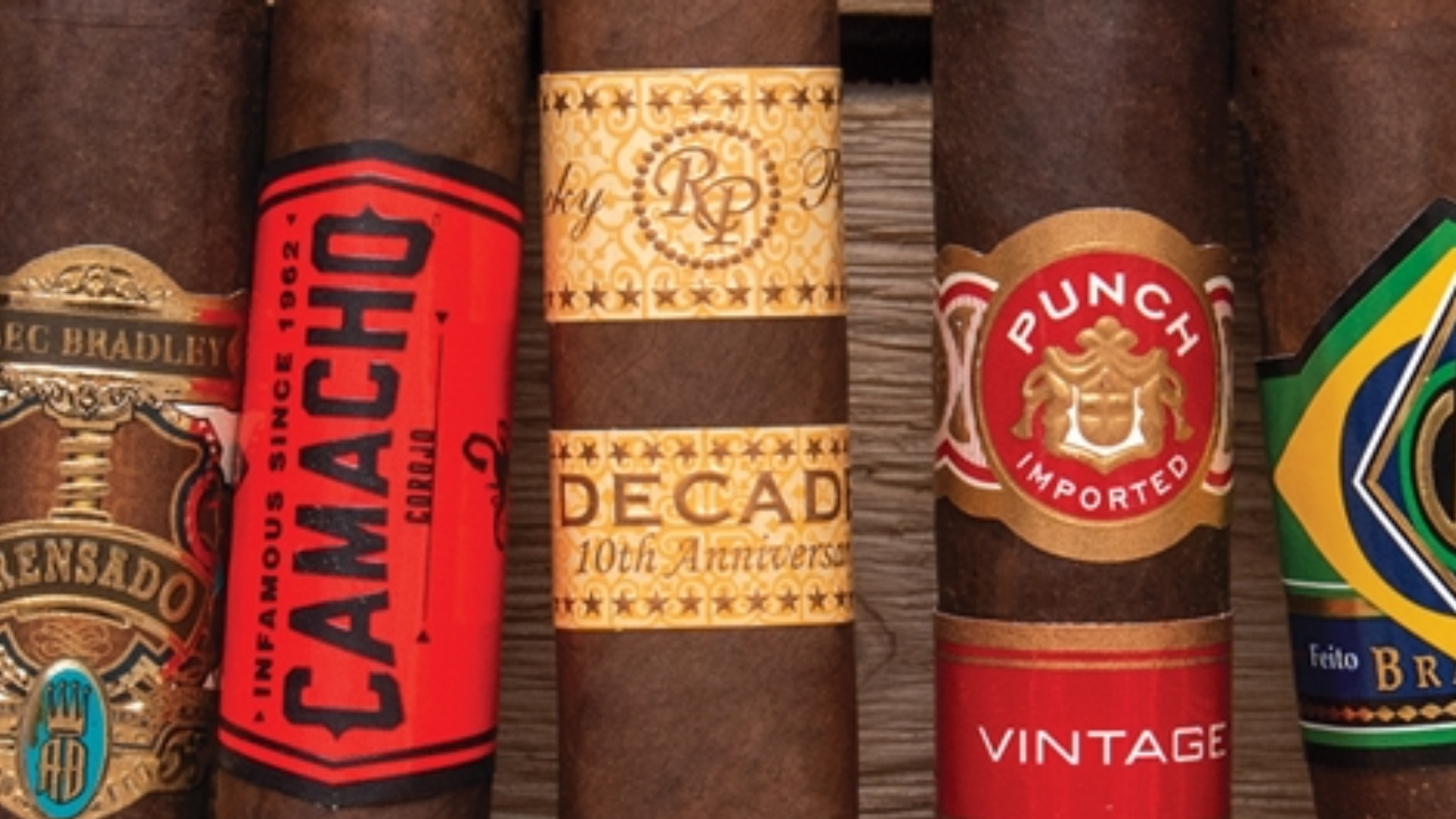
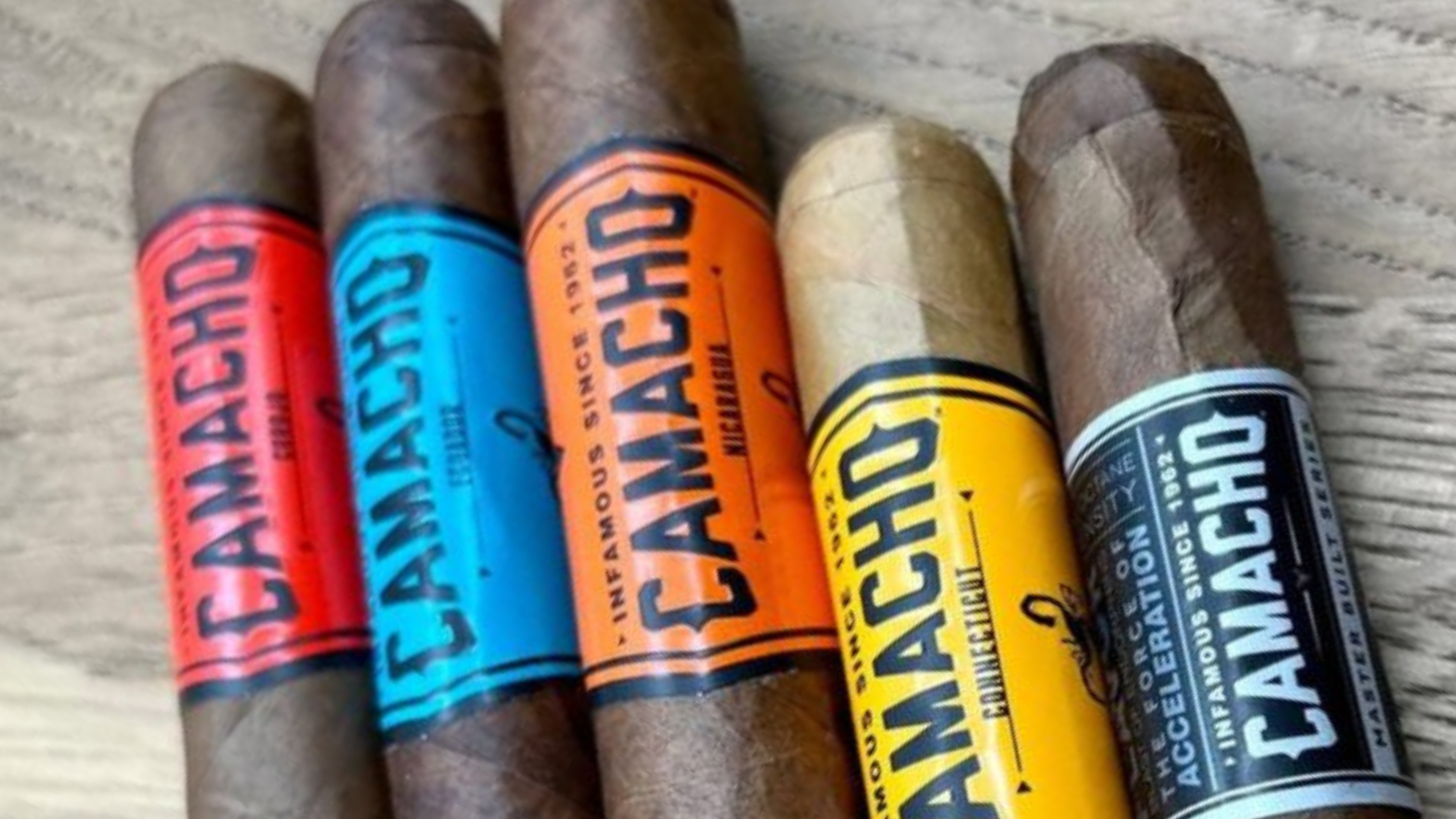
Honduran cigars include brands like Camacho, Punch, and Alec Bradley, all of which showcase the region’s signature profile built around cedar, spice, and a grounded, wood-forward character. Brands like El Rey Del Mundo and CLE further showcase how Honduran tobacco can be blended for both consistency and complexity, depending on the approach.
Top Nicaraguan cigar brands, such as Padrón, Oliva Cigars, and Aganorsa Leaf, are widely recognized for their complex blends and full-bodied profiles.
Each of these cigar brands reflects the core characteristics of its region, making them a great place to start if you’re exploring the differences for yourself.
Once you start comparing cigar regions, it becomes a lot easier to understand what you actually enjoy. Honduran and Nicaraguan tobacco is just one piece of that puzzle.
As you keep exploring, you’ll start to see how other regions fit into the mix. Comparing Dominican vs Nicaraguan cigars or Honduran vs Dominican cigars adds another layer of perspective and helps you dial in your preferences even further.
At the end of the day, reading helps, but the real learning happens when you light up and experience the differences for yourself.
There’s no right or wrong answer when it comes to Honduran compared to Nicaraguan tobacco. It all comes down to what you enjoy and when you’re smoking.
Some days call for something steady, earthy, and easy to settle into. That’s where Honduran cigars tend to shine. Other times, you want something with more intensity, richer flavors, more spice, and a cigar that changes as you work through it. That’s where Nicaraguan cigars stand out.
If you’re ready to explore both, you can shop a wide variety of handmade cigars online right here at After Action Cigars and start building your own rotation. The more you try, the clearer your preferences become, and that’s where this whole thing really starts to get interesting.

A torpedo is a figurado cigar with a straight body and a sharply tapered, pointed head, usually 6 to 6.5 inches with a 50 to 54 ring gauge, and that pointed cap is the whole trick: it lets you control...

The big difference between a Toro and a Churchill is size: a Toro runs about six inches with a thicker ring gauge and smokes for roughly an hour, while a Churchill stretches to seven inches and burns longer. Both of...

A sun grown wrapper is a tobacco leaf raised out in the open under full sunlight, which gives it darker color, thicker veins, and a bolder, spicier flavor than shade grown leaf. Light up a cigar wearing one and you're...