


A torpedo is a figurado cigar with a straight body and a sharply tapered, pointed head, usually 6 to 6.5 inches with a 50 to 54 ring gauge, and that pointed cap is the whole trick: it lets you control...

The core difference is strength and how the smoke behaves: Dominican cigars stay smooth and balanced from light to nub, while Nicaraguan cigars hit bolder and build as you go. Both countries roll some of the best cigars on the planet, but the two experiences aren't really interchangeable.
Quick version? Dominicans are the easygoing, even-keeled pick. Nicaraguans run richer and more full-bodied. The story doesn't end at strength, though.
It goes all the way down to the dirt. From tobacco growing regions and soil composition to blending style and construction, each country turns out cigars with their own personality, and they tend to win over different kinds of smokers.
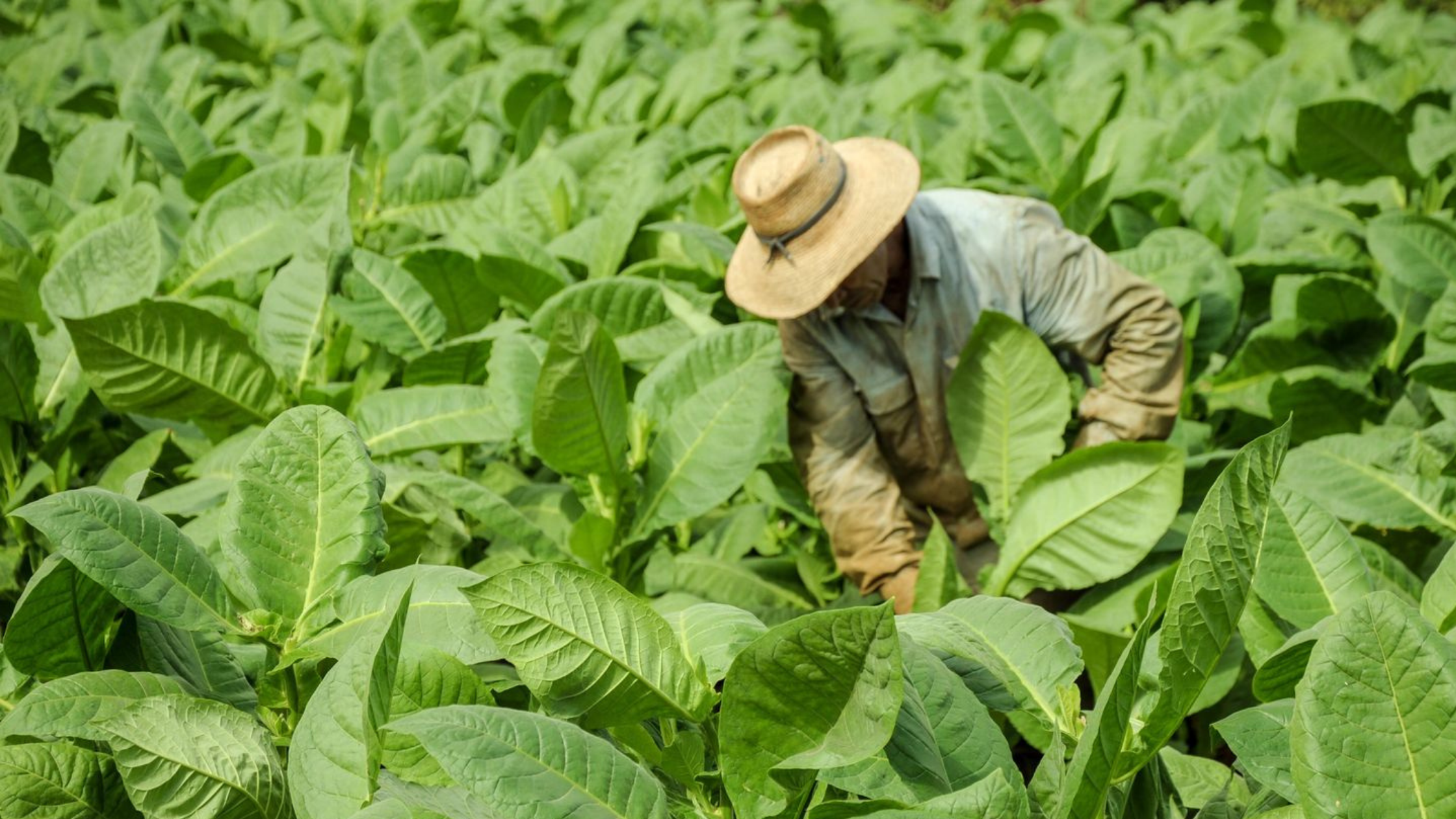
What separates the two really comes down to three things: how each country treats its tobacco, how they blend it, and how the cigar gets built.
Dominicans lean refined. Balance is the whole point, so you get a consistent flavor that never bullies your palate. They're the cigar you reach for when you want to relax and not overthink the smoke.
Nicaraguans go the other direction, chasing strength and complexity. The tobacco there grows up tougher, the flavors land harder, and a lot of blends are designed to shift and evolve as you work through them. The experience moves.
Then there's the ground itself. The Dominican Republic has fertile soil and a steady climate, which yields tobacco that's smoother and easier to approach. Nicaragua's volcanic soil does the opposite, pushing out stronger leaf with deeper, more intense flavor.
Both count as premium cigars, no question. They just pull different crowds depending on how you like your taste and strength dialed in. Neither one wins. It honestly just depends on what you're in the mood for that day.
When you stack Dominican and Nicaraguan cigars side by side, the difference in flavor profile isn't only about what hits your tongue. It's about how those flavors arrive and where they go from there. Nicaragua’s bolder style has won plenty of fans, too: Cigar Aficionado reported that Nicaragua "has exported more handmade, premium cigars to the United States than any other nation."
Dominican cigars tend to run linear. The flavors show up smooth, hold steady, and almost never spike. You're not waiting around for big transitions. Instead you settle into a balanced ride where subtle notes, think cream, cedar, a touch of sweetness, carry the thing all the way to the band.
Nicaraguans behave differently. The profile is more dynamic, often rolling in like waves as the cigar burns down. Intensity climbs, and richer notes such as earth, spice, coffee, and dark chocolate get louder the hotter it gets. That climb is a big part of why these cigars feel complex and keep you engaged.
So in plain terms it's about how you like a cigar to perform. Want something smooth and predictable? Dominicans nail that. Want a cigar that grows and changes under your nose? Nicaraguans give you the layered version.
Dominican cigars are built around balance, and you can taste that in how the flavors carry. No sharp turns. Just an even, controlled delivery where the subtle notes do most of the work. Cedar, cream, toasted nuts, a little sweetness. They sit shoulder to shoulder instead of fighting for the spotlight.
One thing worth noting is how Dominican tobacco deals with heat. Deep into the cigar, the profile holds pretty steady, none of the sharp spikes you catch in heavier blends. That reliability is exactly why these are such a safe bet, especially for a long session or one of those moments when you'd rather not think about the cigar at all.
Nicaraguan cigars are built for impact, and you feel it right out of the gate. Flavors come in stronger and shift more as the cigar burns. A typical run might open with earth and spice, then sink into coffee and dark chocolate once it opens up.
Much of that traces back to how Nicaraguan tobacco answers heat. As the cigar warms, the oils in the leaf let go more aggressively, which is why the profile climbs in stages rather than sitting flat. That's the engine behind the complexity reputation.
For seasoned smokers, the evolution is the whole appeal. You aren't just smoking a cigar. You're tracking where it travels from first light to last inch.
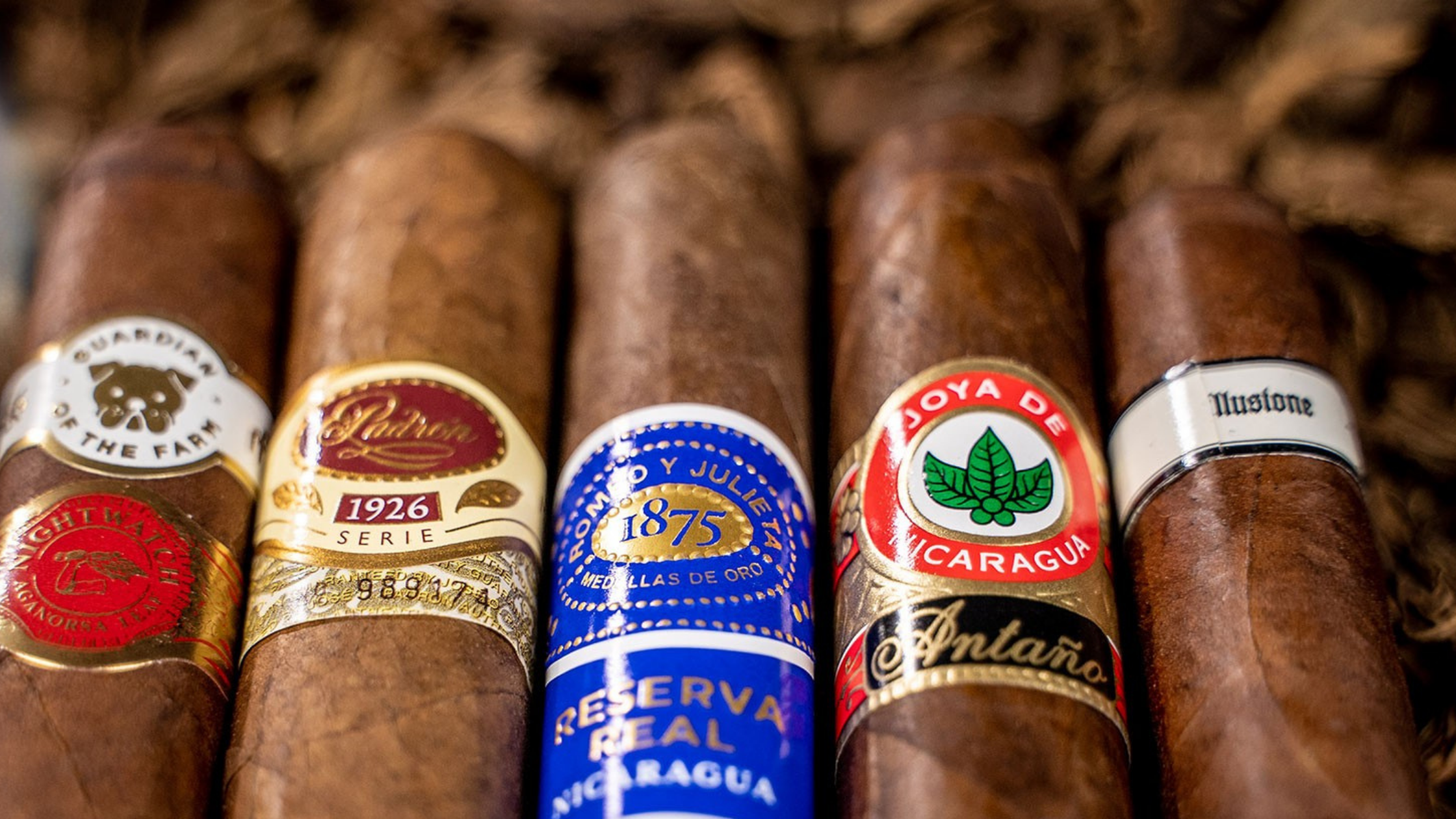
When folks bring up strength in cigars, they usually mean how the cigar lands on your body, not just how bold it tastes. That distinction, cigar strength vs body, matters, because a cigar can taste rich and still smoke fairly mild.
Nicaraguans usually take the title of stronger cigar, and a lot of that is ligero tobacco. Those leaves sit at the very top of the plant, soak up the most sun, and end up with higher nicotine content. That's what gives so many Nicaraguan blends their heavier, fuller feel, especially down the home stretch.
And the strength doesn't just show up in the first few puffs. It builds. As the cigar heats, the intensity gets harder to ignore, which is why a blend can feel manageable early and downright stout by the final third.
Dominicans play it differently. Sure, they can reach medium bodied or even full-bodied turf, but most blends are wired to stay balanced start to finish. Rather than ramping up, they hold a steady, controlled line that's easy to ease into over a long smoke.
Which is why strength often tracks with experience. New to all this, or you just want something you can light without much thought? Dominicans tend to fit. Comfortable with stronger cigars and the weight and progression that come with them? Nicaraguans bring the intensity.
The split between these two starts well before anyone rolls a cigar. It begins in the fields, where soil, climate, and elevation shape how the plants grow and, eventually, how the cigar tastes. Cigar Aficionado’s report on Dominican tobacco country notes that the Dominican Republic’s prime growing area "begins on the outskirts of the city of Santiago," and the best leaf grows closer to the northern mountains "since the soil is richer and deeper with better drainage."
The Dominican Republic, the Cibao Valley in particular, has been one of the cigar world's most important growing regions for ages. Fertile soil plus a stable, friendly climate means tobacco that develops evenly. That evenness is why a lot of the Top Dominican cigars smoke smoother and more balanced, without those intensity spikes.
Nicaragua's growing conditions are rougher by reputation. The big regions, Estelí, Jalapa, and Condega, sit on volcanic soil under a more rugged climate. That stresses the plants, which thickens the leaves, raises the oil content, and cranks up the strength. It's a big reason the Best Nicaraguan cigars lean toward stronger smokes with bold, complex profiles.
Even inside Nicaragua the regions split. Jalapa often gives you tobacco that's a bit sweeter and more aromatic, while Estelí runs darker and earthier with more punch. Those regional quirks let Nicaraguan blends layer and evolve as you smoke.
That contrast, steady controlled growth in the DR against the harder conditions in Nicaragua, is one of the biggest reasons these cigars diverge so much on both flavor and strength.
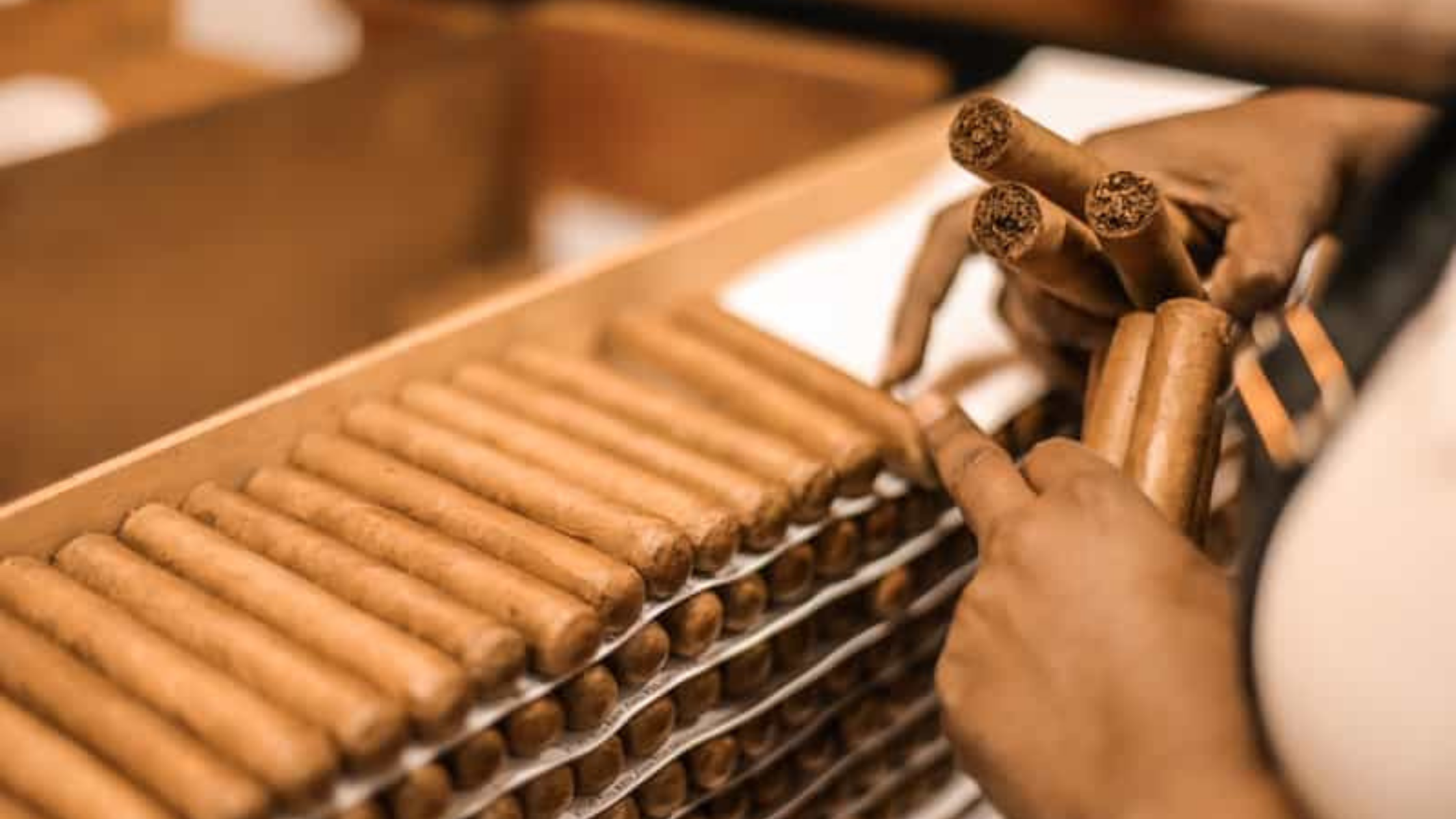
Both styles lean on traditional production methods and serious craftsmanship, but their take on blending and construction ends up somewhere noticeably different once you put a flame to it.
Dominicans are built for balance from the first step. Blenders fuss over how the wrapper leaf and filler play together to get a smooth draw, an even burn, and a flavor that stays put. The construction is meant to hold the line through the whole smoke, no sudden swings.
Nicaraguans chase a different goal. Plenty of blends are engineered to gain strength and complexity as the cigar burns down, usually thanks to more ligero and a tighter pack. That changes the draw and how heat travels through the stick. The payoff is a cigar that feels more alive, with flavors stepping forward as you go.
The cigar wrapper leaf matters in both camps, but it shows up in different roles. On a Dominican, the wrapper tends to back up the rest of the profile and keep things consistent. On a Nicaraguan, it can get assertive, adding to the intensity of the cigar and helping push the flavor out front.
When it's all said and done, this is a difference in blending philosophy and rolling technique. Dominicans are usually built to stay steady and predictable. Nicaraguans are built to move, which is exactly why they read as more complex from first puff to last.
New to cigars? Dominicans are usually the smarter starting line. The smoother profile and gentler strength make them easier to read while you're still figuring out what you actually like.
Nicaraguans are excellent, but for a brand-new smoker they can be a lot, given how strong they run and how intense the flavors get.
Just getting started? It's worth flipping through our guide to the best cigars for beginners to find options that match your taste and where you're at.
Honestly the pick usually comes down to the moment and what you feel like smoking. Neither one is the better cigar. It just depends on the mood.
Dominicans shine when you want something easygoing. Morning smokes, a round of golf, any time you'd rather the cigar not demand your full attention.
Nicaraguans suit the slow moments, the ones where you can sit back and actually soak it in. After dinner, with a drink in hand, that's their home turf.
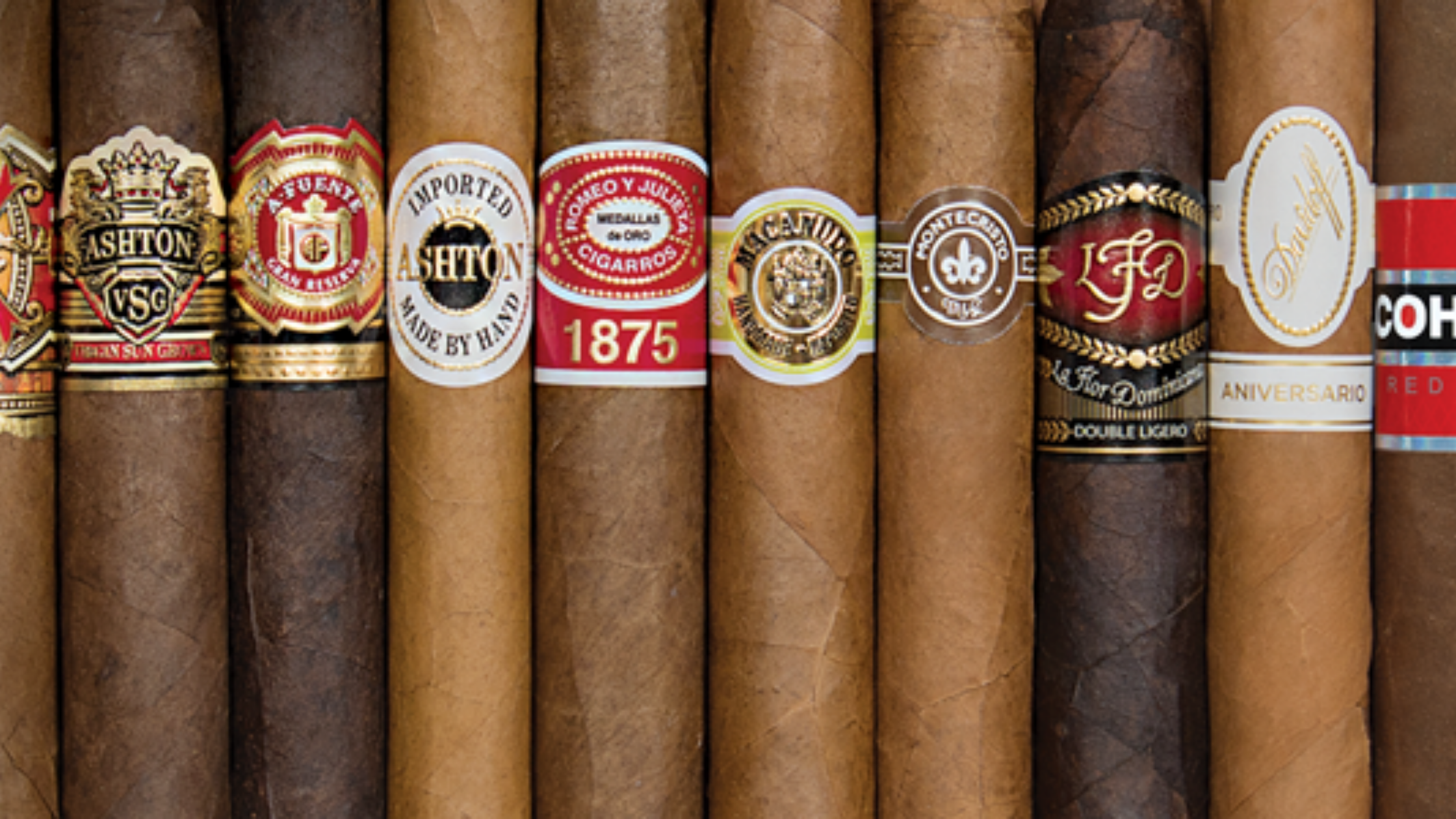
Both countries are home to some of the most respected names in the cigar industry, and bouncing between brands is probably the quickest way to feel how Dominican and Nicaraguan cigars really differ. Many of the Dominican Republic’s major factories are represented by Procigar.
On the Dominican side, Dominican cigars include names like Arturo Fuente, Davidoff, Ashton, and Macanudo. Each does its own thing, but they all share that reputation for smooth, balanced cigars with rock-solid construction. Want a real feel for how Dominicans behave across blends? Spend an afternoon with a few of these.
Flip to the other camp and Nicaraguan cigars from brands like Padrón, Oliva Cigars, My Father, and Rocky Patel are the ones known for bold profiles and more complex development. These makers lean hard into strength and depth, which makes them a great snapshot of what Nicaragua does at its best.
Want to go deeper? Digging into individual cigar brand breakdowns paints a clearer picture of how each one handles blending and construction. And when you're ready to put a few to the test, smoking a range of Dominican and Nicaraguan cigars back to back is the simplest way to start figuring out your own taste.
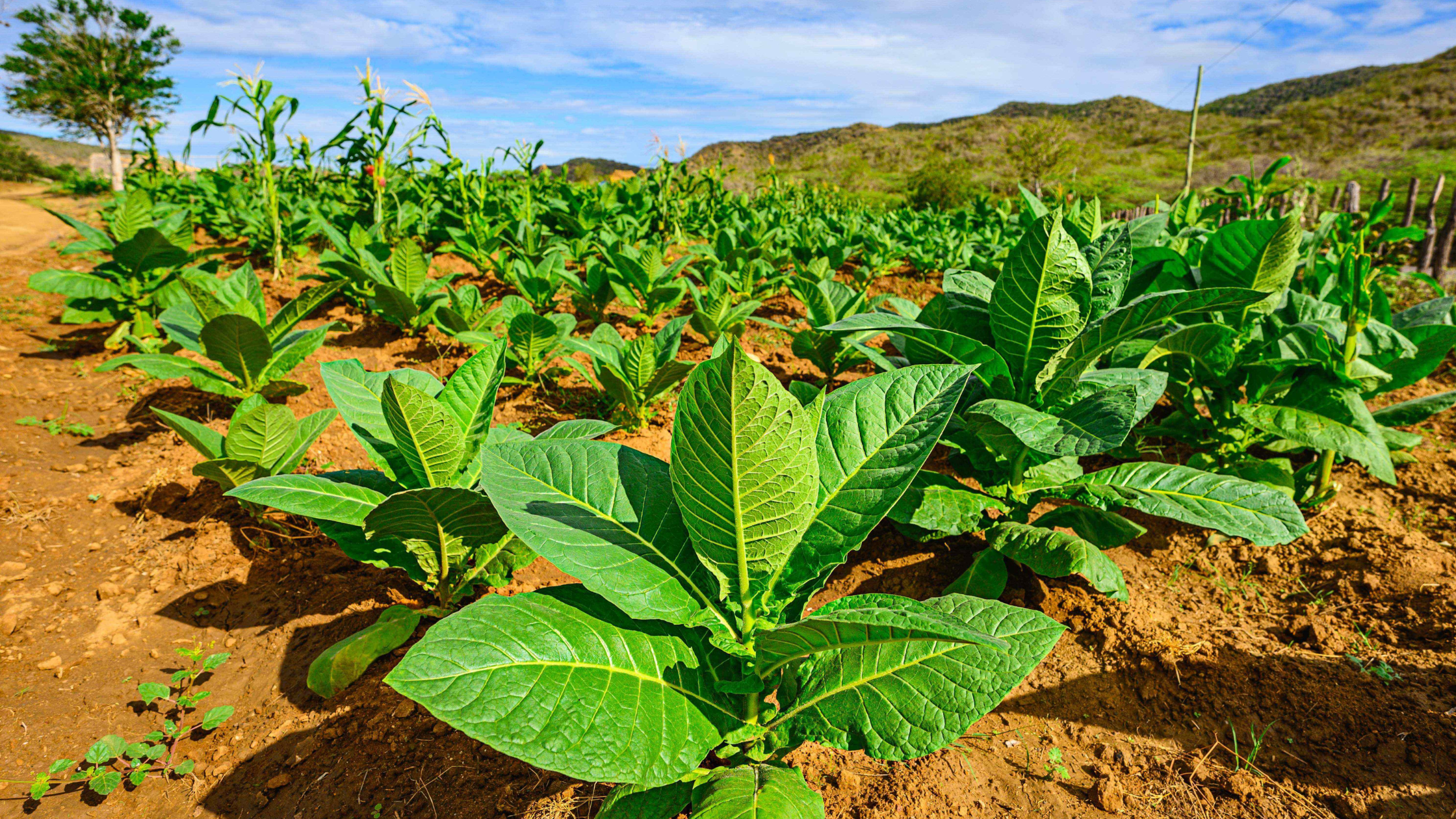
Once you start zeroing in on what you like, comparing regions side by side is one of the fastest ways to learn your own palate. Dominican vs Nicaraguan is where most people kick things off, but it's only a slice of the picture. Spend enough time with different blends and you'll see how cigar producing regions like Honduras slot in too.
If you want to keep pulling the thread, take a look at how Nicaraguan vs Honduran cigars stack up, plus Honduran vs Dominican cigars. Each breakdown shows how strength, flavor, and construction actually play out in a real smoke, not just on a spec sheet.
At some point, though, the best move is to stop reading and light one up. Leaning toward smooth and balanced? A few Dominicans is a solid place to begin. More into bold, full-bodied blends with richer flavor? Nicaraguans will take you somewhere completely different.
At the end of the day, there's no winner in the Dominican vs Nicaraguan debate. It's personal preference, plus whatever moment you're pairing the cigar with.
Some days want smooth, balanced, easygoing. That's Dominican territory. Other days you want something with weight behind it, richer flavor, more intensity, a cigar that keeps evolving as you smoke it. That's where Nicaraguans stand out.
The more time you log with both, the easier it gets to spot what fits. Not just strength, but how the cigar burns, how the flavors unfold, how it settles into the moment. A cigar before a round of golf hits nothing like one you spark up at the end of a long day.
Ready to put it into practice? You can always shop a wide range of premium cigars online right here at After Action Cigars and start building your own rotation with both Dominican and Nicaraguan blends.

A torpedo is a figurado cigar with a straight body and a sharply tapered, pointed head, usually 6 to 6.5 inches with a 50 to 54 ring gauge, and that pointed cap is the whole trick: it lets you control...

The big difference between a Toro and a Churchill is size: a Toro runs about six inches with a thicker ring gauge and smokes for roughly an hour, while a Churchill stretches to seven inches and burns longer. Both of...

A sun grown wrapper is a tobacco leaf raised out in the open under full sunlight, which gives it darker color, thicker veins, and a bolder, spicier flavor than shade grown leaf. Light up a cigar wearing one and you're...