


A torpedo is a figurado cigar with a straight body and a sharply tapered, pointed head, usually 6 to 6.5 inches with a 50 to 54 ring gauge, and that pointed cap is the whole trick: it lets you control...

The real difference is character: Honduran cigars hit bolder and earthier, while Dominican cigars stay smoother and more polished, and almost all of that traces back to where the tobacco is grown. Smoke enough of both and that gap becomes hard to miss.
So when you put Dominican against Honduran, you're really weighing two different philosophies on flavor, strength, and feel. Both regions trace their lineage back to Cuban cigars and the long story of Cuban tobacco. Yet the sticks they roll today couldn't sit more differently in your hand, or on your tongue.
Cuban cigars still get treated as the gold standard. But plenty of smokers now reach for Dominican and Honduran instead, mostly because they're consistent, easy to find, and come in every flavor you could want. The Cuban embargo nudged both countries into the spotlight, and over time they turned into premium tobacco powerhouses, many of their blends still echoing traditional Cuban tobacco and that Habanos-style craft.
These days Honduras, the Dominican Republic, and Nicaragua basically write the rules of the modern cigar world. Each one grows something distinct, shaped by its own land and its own habits.
Spend real time with both and the contrast jumps out. Honduran sticks run bolder, a little rougher around the edges. Dominicans go smoother, more buttoned-up. You'll feel it from the first puff straight through to the nub.
So what really sets them apart, and which one belongs in your hand tonight?
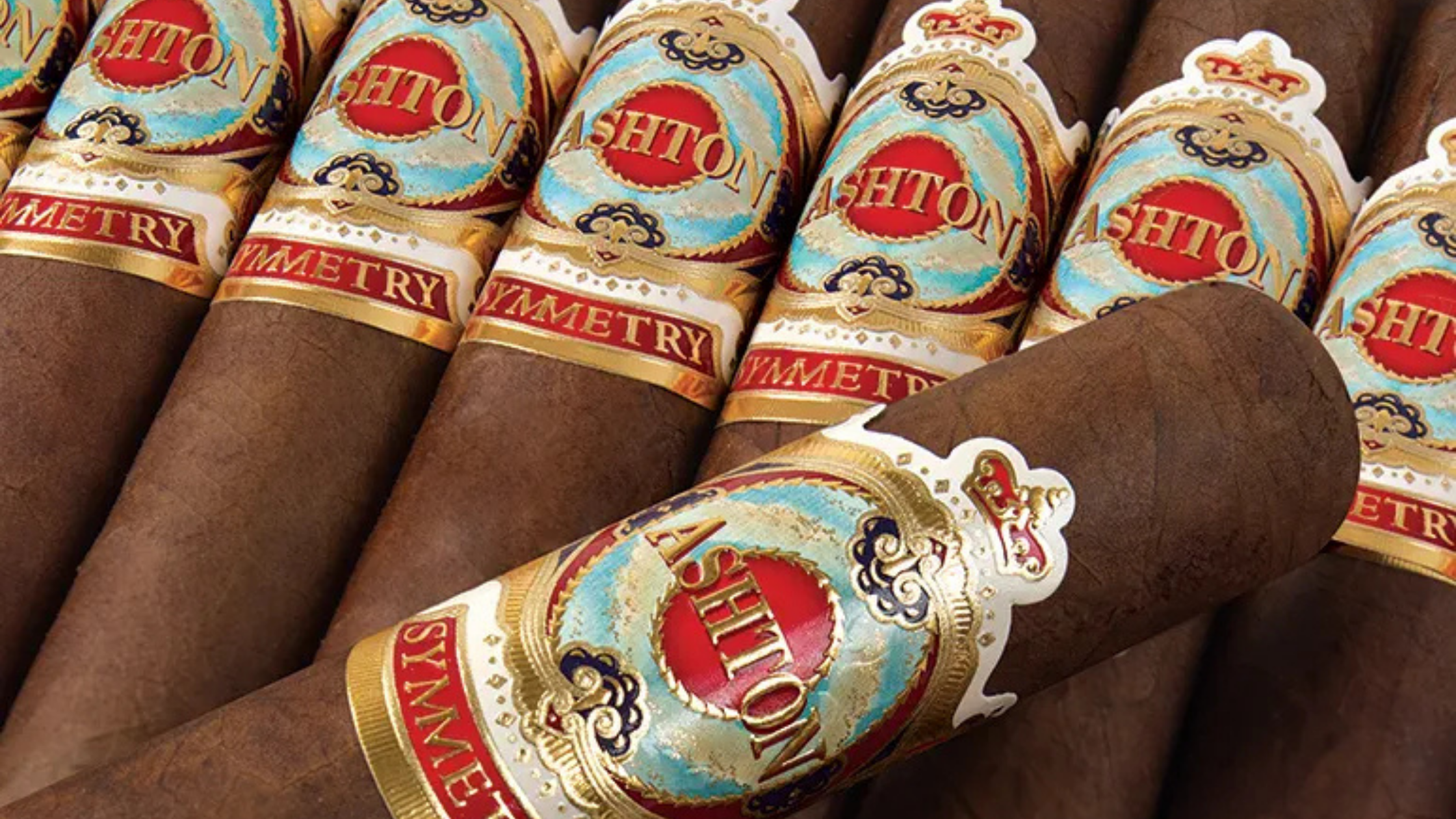
The split shows up long before anyone rolls a leaf. It starts in the dirt, the weather, and the kind of tobacco each country grows. In the Dominican Republic, as Cigar Aficionado's report from Dominican tobacco country puts it, "The best tobacco is grown closer to the foot of the northern mountain range," the Cordillera Septentrional, "since the soil is richer and deeper with better drainage." Honduras, meanwhile, grows much of its leaf in the Jamastran Valley.
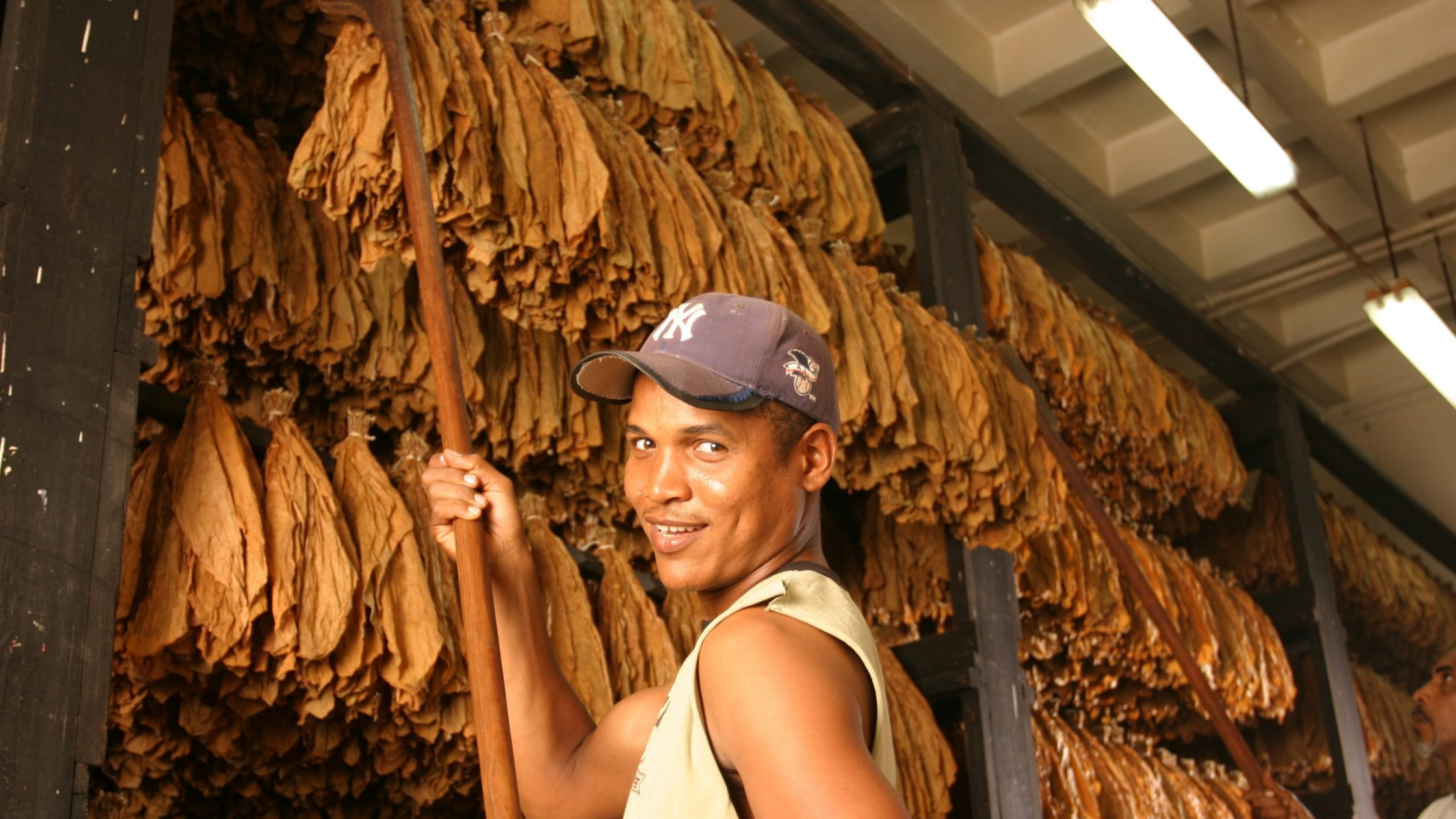
Honduran tobacco comes out of places like the Jamastran Valley and Copán, where the soil and the heat push the leaves to grow thick and oily. A lot of it is sun grown leaves, and that extra sun tends to build a heavier leaf with deeper flavor. You'll find this tobacco in blends that are chasing boldness, where the wrapper and filler add real weight to the smoke.
The Dominican Republic usually grows its tobacco in the Cibao Valley. Good soil, steady weather, not many surprises, which makes for a tightly controlled grow. The result is a smoother, more refined leaf. That includes varieties like Connecticut Shade, a favorite wrapper for loads of handmade cigars.
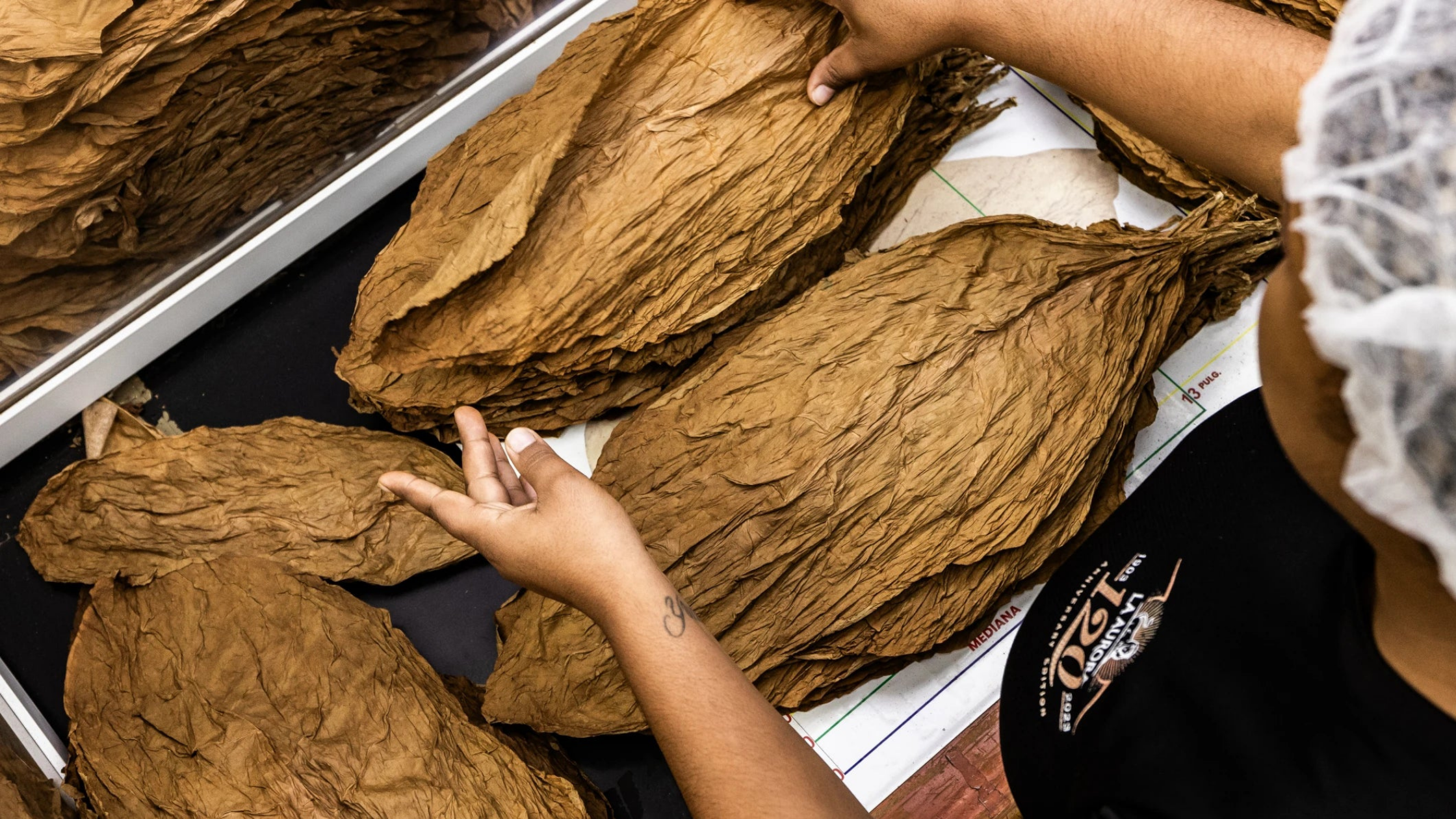
Beyond the usual filler and binder, both regions pull in different wrapper types too, including Ecuador-grown wrapper leaves that keep things looking and burning consistent. The wrapper does a lot of heavy lifting, both for how the cigar burns and how the flavor lands on your palate.
Honduras has carved out a name for bold tobacco that sits right between the polish of Dominican leaf and the punch of Nicaraguan tobacco. That middle spot gives it its own identity.
You'll catch the difference the second you light up. Honduran tobacco feels denser, oilier. Dominican leaf comes off lighter and more even, which is a big reason it's earned its reputation for consistency.
Those gaps in soil and growing conditions feed straight into how each cigar tastes, burns, and behaves.
This is the moment most smokers go, oh, yeah, those are different.
Honduran cigars bring that earthy, rich, slightly rugged thing. Depending on the blend, you'll taste leather, spice, a hit of black pepper. The whole profile feels grounded and heavier on the tongue.
There's something raw and honest about them. Bold, direct, a little rustic, no apologies. Plenty are made as puros, meaning every leaf comes from Honduras, which really doubles down on the region's stamp.
Take a retrohale and the spice and pepper sharpen up, especially in the fuller blends. That gives them an edge you won't find everywhere.
Dominican cigars go the other way entirely. Balanced, refined, and a whole lot easier to approach.
Think cedar, a touch of sweetness, cream, a faint nutty note. Nothing aggressive here. It's controlled and layered, which is exactly why people who want a milder experience keep coming back. There's often a natural sweetness that creeps in as the cigar burns down.
Folks usually describe them as complex, the kind that unfolds slowly instead of slamming you up front. They open up bit by bit, so you can enjoy one from light to finish without getting worn out. Some blends even close on a faintly sweet note, depending on the wrapper and how it was fermented.
If you're asking which one hits harder, it's almost always the Honduran. A lot of the top Honduran cigars land somewhere in the medium to full-bodied zone, with more strength and a fatter cloud of smoke. Those thicker, sun-grown leaves are doing the work there.
The best Dominican cigars, on the flip side, usually run mild to medium. Easier to sit with for a long session, and friendlier if you're newer to all this. The smoother tobacco and tighter construction make for a lighter ride that won't bully your palate.
How the tobacco gets grown and fermented matters a ton for how strong the thing ends up feeling. It's why a lot of smokers save their Honduran sticks for later in the day and slot Dominicans into something more laid-back.
Consistency might be the Dominican's biggest edge. Its factories are represented by Procigar, the trade group for the country's top premium producers, and that network props up steady construction standards across the country.
A good chunk of the most well-known cigar makers set up shop in the Dominican Republic, turning out handrolled cigars with seriously clean construction. Even burn, dependable draw, the same quality from light to nub. That's a big part of why Dominican cigars make such great cigars for beginners; they forgive your mistakes and rarely surprise you.
Honduran cigars have closed the gap a lot, and the quality across brands is genuinely strong now. Still, depending on the blend and how it's built, they can run a touch more unpredictable. Those thicker wrappers and fillers occasionally mess with the burn, though the modern brands have gotten way better at it.
The cigar wrapper, binder, and filler all have to be dialed in by the maker to nail the right burn and draw. Craft counts on both sides. But when people talk consistency, Dominican cigars are still the yardstick.
The Dominican Republic is home turf for some of the biggest names in cigars. Arturo Fuente, Montecristo, Ashton, Davidoff, all built on quality and a track record you can count on.
Arturo Fuente cigars in particular show off just how refined Dominican tobacco can get, across a wide spread of premium smokes. A lot of these brands got their start when Cuban cigar makers packed up for new countries and brought their know-how along.
You can even spot the difference at the brand level. Dominican brands tend to chase balance and consistency across the whole lineup. Honduran brands usually build around strength, grit, and a more in-your-face profile.
Honduras offers a different vibe altogether, led by names like Camacho, Rocky Patel, Alec Bradley, and Punch.
Camacho Cigars are the ones people point to for bold, including full Honduran puros that lean all the way into the region's strength. Rocky Patel and Alec Bradley roll plenty in Honduras too, splitting the difference between power and flavor, which makes them a solid first step into Honduran smokes.
Some Honduran brands run puros as well, handing you a more unfiltered taste of what the region's tobacco is all about.
Strip it down to the basics, and here's how the two regions stack up against each other:
|
Feature |
Honduran Cigars |
Dominican Cigars |
|---|---|---|
|
Flavor |
Earthy, rich, spicy |
Smooth, creamy, balanced |
|
Strength |
Medium to full |
Mild to medium |
|
Body |
Heavier smoke |
Lighter, refined |
|
Tobacco |
Thick, sun-grown leaves |
Smooth, controlled leaves |
|
Style |
Bold and rustic |
Polished and consistent |
Picking between Honduran and Dominican really comes down to the mood you're in. Neither one is better. It's about what suits your taste, your day, and the way you like to smoke.
Want a stronger cigar with deeper flavor? Honduran is your move, especially after dinner or once the evening rolls in and you're after something full-bodied.
Leaning toward smoother and easier? Dominican cigars play beautifully with a morning coffee or a slow afternoon. That mild to medium strength keeps them approachable and reliable.
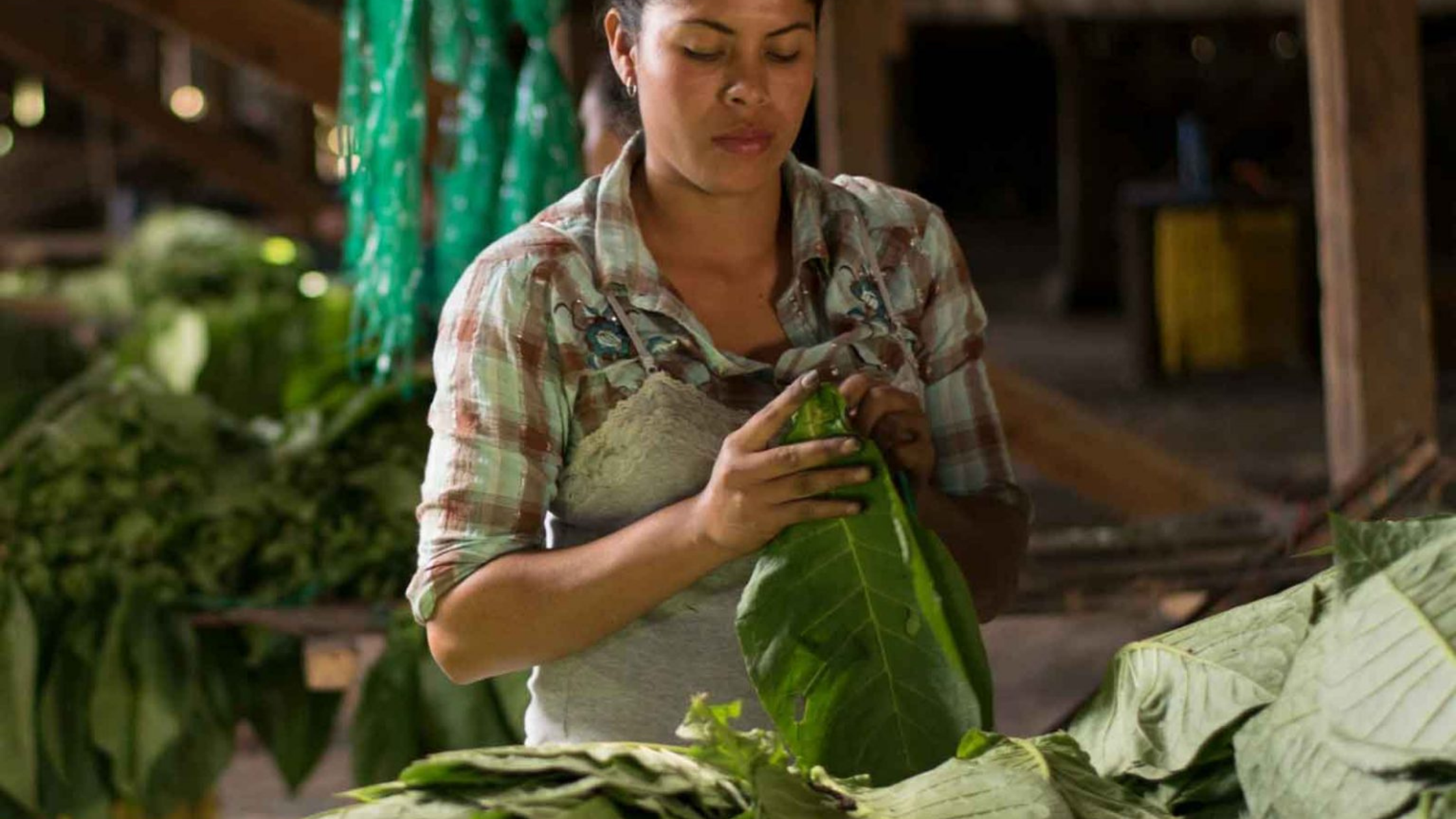
To really place Honduran and Dominican on the map, you've got to drag Nicaragua into the chat. Nicaraguan cigars get called the boldest of the bunch, grown in spots like the Jalapa Valley, Estelí, and Condega. That volcanic soil cranks out rich tobacco loaded with spice, strength, and depth, so these cigars feel intense and full-bodied feel right out of the gate.
Stack everything up and some of the best Nicaraguan cigars push hardest into strength and spice. Honduran usually settles into the middle, with more body and bite than Dominican but still calmer than what Nicaragua throws at you.
If you think of it as a spectrum:
Dominican cigars = mild and refined
Honduran cigars = balanced with more body
Nicaraguan cigars = bold, spicy, and full-bodied
Line them up one after another and those gaps get a lot easier to read, especially when you look at how Nicaraguan vs Dominican cigars differ on raw strength, or how Honduran vs Nicaraguan cigars compare on body and intensity.
At the end of it, the better cigar is just the one that fits your taste. Prefer something smooth, refined, with a burn you can trust? Dominican is tough to beat. Craving earthy, rich, full of character? Honduran hands you that heavier, more rugged ride.
Most seasoned smokers don't pledge loyalty to a single region anyway. The trick is knowing which to grab and when. A smooth Dominican over morning coffee just lands differently than a bold Honduran at the end of a long day.
Once you've sorted out which direction suits you, the rest is easy: grab a few good ones and smoke them back to back. That's where the differences really come alive. You can find premium cigars online from both regions, and a whole lot more, right here at After Action Cigars.

A torpedo is a figurado cigar with a straight body and a sharply tapered, pointed head, usually 6 to 6.5 inches with a 50 to 54 ring gauge, and that pointed cap is the whole trick: it lets you control...

The big difference between a Toro and a Churchill is size: a Toro runs about six inches with a thicker ring gauge and smokes for roughly an hour, while a Churchill stretches to seven inches and burns longer. Both of...

A sun grown wrapper is a tobacco leaf raised out in the open under full sunlight, which gives it darker color, thicker veins, and a bolder, spicier flavor than shade grown leaf. Light up a cigar wearing one and you're...