

Father's Day is a time to celebrate and appreciate the father figures who have shaped our lives. Choosing the right Father’s Day cigars doesn’t have to be complicated. Whether you’re shopping for a seasoned smoker or looking for a thoughtful...

For generations, Cuban cigars have been held up as the gold standard in the cigar world. Their mystique is rooted in history, soil, and craft, qualities that earned them a reputation for balance, refinement, and tradition. But for American smokers, the story changed decades ago. The embargo made it impossible to legally buy Cuban cigars in the U.S., leaving many to wonder what they were missing.
What happened next reshaped the entire premium cigar industry. The knowledge and Cuban seed tobacco once confined to the island spread across the Dominican Republic, Nicaragua, and Honduras, giving rise to a new era of blends. Today, these non-Cuban cigars don’t just serve as replacements; many stand shoulder to shoulder with their Cuban counterparts, celebrated by cigar aficionados and everyday cigar lovers alike.
That’s what makes exploring Cuban cigar alternatives so fascinating. They carry the DNA of Cuba’s legacy, but they’ve evolved into something distinct, diverse, and more accessible.

The story of Cuban cigars is inseparable from modern cigar history. Legendary brands like Cohiba, Montecristo, and Romeo y Julieta became household names, shaping what many still consider the pinnacle of craftsmanship. But the Castro Revolution and the U.S. embargo of 1962 changed the landscape forever.
Rather than letting centuries of expertise vanish, families carried Cuban seed and their knowledge abroad. In Nicaragua, aged Nicaraguan tobaccos developed into some of the most powerful, complex profiles in the world. In the Dominican Republic, blends became known for their smooth and balanced flavor, appealing to smokers who wanted elegance and consistency. Honduras added its own mark with earthy strength, spice, and bold, full-bodied cigars.
For me, that’s one of the most interesting parts of cigar history: how a political divide unintentionally fueled innovation. What began as “alternatives” has now become pillars of the cigar industry. Many cigar connoisseurs would argue that today’s non-Cuban cigars not only rival Cubans, but often outshine them in consistency, availability, and construction.
If you’re searching for the best Cuban cigar alternatives, it helps to know what defines them. The qualities that once set Cuba apart, balance, elegance, and heritage, now guide the blending philosophies of premium non-Cuban brands.
Cuban seed tobacco remains one of the clearest connections to Havana’s legacy. When transplanted into the soils of Nicaragua, Honduras, or the Dominican Republic, it produces tobacco leaves with unique flavor profiles that still carry hints of their Cuban origin. The result is cigars manufactured with Cuban DNA but shaped by different terroirs.
A good Cuban alternative also respects flavor balance. Cuban cigars are rarely overpowering; they are known for smooth draw, creamy flavor, cedar, cocoa, and subtle spice. That’s why so many cigar makers emphasize balance and refinement when crafting blends that appeal to cigar enthusiasts searching for that Cuban feel.
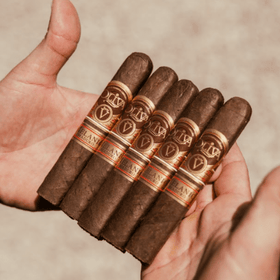
Construction matters too. Premium cigars like the Oliva Serie V Melanio or Ashton VSG Cabinet Selection show how important consistency is, even burns, box-pressed cigar craftsmanship, and wrappers that look as good as they smoke.
Finally, it’s the smoking experience that matters most. A Cuban alternative should feel elegant and refined while offering complex flavors that develop throughout the cigar. When done right, these sticks give cigar lovers the same satisfaction as their Cuban counterparts while adding their own identity.
You can learn more about these brands and Cuba’s legendary regions in The Story of Cuban Cigars: History, Regions, and Flavor

When people search for Cuban cigar alternatives, what they’re really after is the heritage, the Cuban seed tobacco, the smooth and balanced flavor, and the tradition that made Cuban cigars iconic.
Thanks to the expertise of the cigar makers who left Cuba after the revolution, today’s non-Cuban cigars deliver that same experience with the accessibility of the New World.
Here are some of the best Cuban cigar alternatives you can actually enjoy today.

The Fuente family has become one of the most respected names in the premium cigar industry, carrying forward the tradition of handmade cigars rooted in Cuban heritage. Among their portfolio, the Arturo Fuente Hemingway Short Story and Hemingway Signature stand out for their smooth draw, creamy flavor, and rich history.
For many cigar aficionados, Hemingway is the gold standard of refinement outside Havana. Rolled with Cuban seed tobacco and aged Dominican tobaccos, it’s an elegant cigar that combines heritage with balance. The Arturo Fuente Cigars company remains one of the strongest examples of Cuban seed success outside the island.

Few brands capture refinement as consistently as Ashton. Blended by the Fuente family in the Dominican Republic, Ashton cigars are known for their balance and sophistication, a combination that appeals to both newcomers and seasoned cigar lovers.
The Ashton Virgin Sun Grown (VSG) is one of their most acclaimed lines, celebrated for its bold, full-bodied profile. Expect notes of dark chocolate, spice, espresso, and leather delivered with richness and complexity.
On the other side of the spectrum, the Ashton Estate Sun Grown (ESG) offers a more refined, balanced blend with a touch of natural sweetness. Together, they showcase the depth of the Ashton Cigars portfolio and the kind of premium craftsmanship that rivals Cuba’s best.

The Oliva family’s story begins in Cuba before relocating to Nicaragua, bringing their knowledge of Cuban seed tobacco with them. That heritage is alive today in the Serie V Melanio from Oliva Cigars, a modern classic built with all-Nicaraguan filler and binder tobaccos.
Known for espresso, cocoa, and spice, the Serie V Melanio Maduro Robusto and Churchill consistently earn top rankings from Cigar Aficionado. With its box-pressed construction, complex flavors, and balanced blend, this line delivers a smoking experience that feels unmistakably Cuban-inspired while still offering the boldness of a true Nicaraguan cigar.

The Romeo y Julieta name is one of the most iconic in the cigar world, founded in 1875 and rooted in Cuba. Today, the Dominican-made Romeo y Julieta 1875 Bully gives U.S. smokers a legal and accessible way to enjoy that heritage.
With cedar, toast, and mild spice in a smooth and balanced flavor profile, the 1875 mirrors the approachable elegance of the Cuban original. For cigar enthusiasts who want tradition without the embargo, Romeo y Julieta remains one of the most popular cigars in the non-Cuban market.

The Garcia family has earned a reputation for bold, Cuban-style blending, and under the My Father label, they’ve created cigars that pay homage to Havana’s strength and depth.
One of the best representations of that, making for a great Cuban cigar alternative, is the My Father Le Bijou showcase pepper-forward spice, rich flavors, and the structure of Nicaraguan binder and filler tobaccos. These full-bodied cigars echo the power of Cuban classics like the Partagás Serie while maintaining their own identity in the modern cigar culture.

Don Pepin Garcia built his reputation on bold, Cuban-style blending rooted in tradition and precision. After leaving Cuba, Pepin brought his knowledge of Cuban seed tobacco to Nicaragua, where he developed a style defined by strength, structure, and unmistakable spice.
The Don Pepin Garcia Blue Label is one of the clearest expressions of that approach. Pepper-forward and earthy with layered richness beneath, it delivers the kind of depth often associated with classic Cuban cigars.

San Cristobal cigars carry a clear thread of Cuban heritage, name, style, and blending philosophy all nod to the old Havana tradition, but they’re crafted in the Dominican Republic with tobacco grown for balance, complexity, and smooth progression.
The San Cristobal Quintessence Epicure embodies that identity beautifully. It opens with creamy notes of cedar and light earth before unfolding layers of toasted nuts and subtle baking spice. The body sits comfortably in the medium range, letting the nuanced flavors evolve without ever feeling one-dimensional or blunt. It’s refined without being reserved, rich without being overwhelming.

Drew Estate has always been a disruptor in the cigar industry, but even their boldest blends carry Cuban DNA. The Liga Privada No. 9 is a standout, pairing aged Nicaraguan tobaccos with a dark wrapper to deliver cocoa, espresso, and earthy richness.
The Undercrown series offers a slightly more approachable but equally satisfying smoking experience, making Drew Estate a favorite among both younger cigar enthusiasts and long-time cigar connoisseurs. These cigars prove that non-Cuban brands can still deliver balance, complexity, and diverse flavors inspired by Havana traditions.

The Nat Sherman Host series represents the gentler side of Cuban tradition, known for its creamy flavor and smooth draw. Blended in the Dominican Republic, the Host reflects the approachable side of Cuban seed tobacco while delivering consistency and refinement.
It’s an excellent choice for cigar lovers who want a mild flavor profile tied to Cuban heritage, making it a dependable alternative for everyday smoking.

Cuban Fonseca line was produced in the Dominican Republic by the Quesada family, carrying forward a smooth, cedar-driven profile built around Cuban-seed tobacco and refined construction. The Fonseca Classic became known for its notes of toast, light sweetness, and an easygoing balance that made it a reliable humidor staple.
Today, the Fonseca brand lives under the My Father Cigars portfolio, with production now centered in Nicaragua under the Garcia family. While the factory changed, the mission stayed the same: balanced flavor, clean construction, and an approachable experience that respects the brand’s Cuban roots.
For cigar connoisseurs who value tradition without chasing hype, Fonseca remains proof that non-Cuban brands can deliver heritage, consistency, and refinement at a high level.

The beauty of these blends is that they aren’t knock-offs. They’re not trying to mimic Cuba leaf for leaf. Instead, they’re high-quality cigars crafted by cigar makers who took Cuban seed tobacco and perfected it in new soils.
The Dominican Republic delivers smooth, balanced elegance with creamy depth, explore our breakdown of leading Dominican cigars to see how the region expresses refinement and consistency. Nicaragua brings bold, full-bodied intensity and layered spice, highlighted in our look at standout Nicaraguan blends shaping the modern cigar world. And Honduras contributes earthy structure and controlled strength, showcased in our list of notable Honduran cigars worth smoking right now.
Together, they represent the best Cuban cigar alternatives, not imitations, but evolutions.
Choosing the right cigar depends on what you value most in a smoking experience. If you want an elegant cigar with creamy refinement, lean toward the Arturo Fuente Hemingway. If you’re chasing strength and complexity, the Oliva Serie V Melanio or a Don Pepin Garcia will feel closer to Cuba’s bolder classics. For balance and heritage, the Romeo y Julieta 1875 and Fonseca Classic offer approachable flavor that ties directly back to Havana roots.
For me, that’s the real magic of Cuban cigar alternatives: they give you options. Whether you’re a casual smoker, a seasoned aficionado, or a curious newcomer, there’s a non-Cuban cigar that connects you to Cuba’s history while delivering a smoking experience that stands on its own.
At After Action Cigars, we carry many of these blends because we believe they’re more than “alternatives”, they’re some of the best cigars in the world, period. Explore them for yourself, and you’ll see why the Cuban legacy is alive and well in every humidor, no matter where the leaf was grown.

Father's Day is a time to celebrate and appreciate the father figures who have shaped our lives. Choosing the right Father’s Day cigars doesn’t have to be complicated. Whether you’re shopping for a seasoned smoker or looking for a thoughtful...

There are few pairings that feel as natural as cigars and golf. The pace of the game, the time outdoors, and the quiet moments between shots make the golf course a perfect place to enjoy a great smoke. For many...

St. Patrick’s Day is one of those holidays that can go a lot of different directions. For some, it is crowded bars and green beer. For others, it is slower, a good pour of Irish whiskey, a proper pint of...